Module Overview
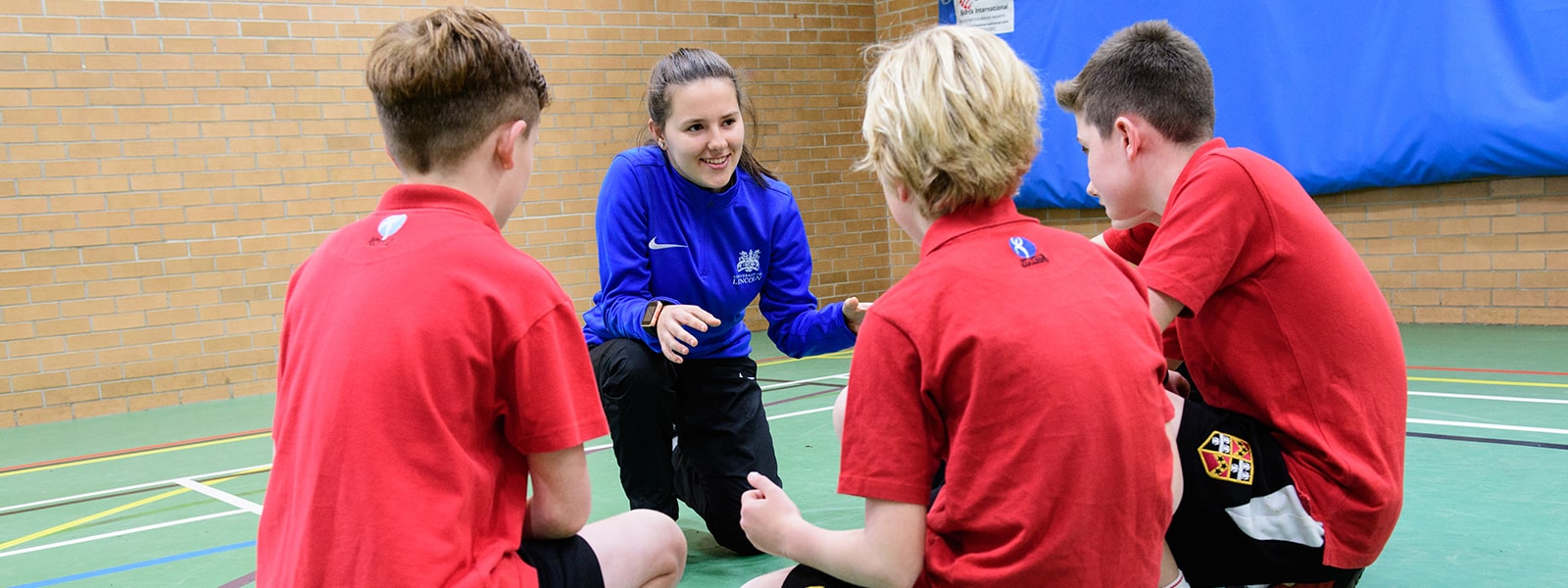
This module builds on students’ foundational understanding of pedagogical theory established at Level 1, through deeper insight into effective pedagogical content knowledge.
Students will develop the skills to assess, plan and apply effective teaching strategies, with emphasis placed on safe and inclusive practice. There is a focus on developing knowledge by exploring activities underpinned by technique, strength, performance, and aesthetic awareness.
Students will engage in structured reflective practice and will develop the skills necessary to critically analyse their decision-making, adapt their pedagogical approaches, and foster continuous professional growth.
Module Overview
This module deepens students’ understanding of social issues in sport and physical education (PE) by developing their ability to apply sociological theories and critically engage with contemporary cultural debates. Building on the foundation of the Sporting Landscape module, students will explore how sport and PE reproduce or resist social inequalities through structures of power, representation, and practice.
The module supports students in critically analysing the reciprocal relationship between sport, PE, and wider social forces such as politics, socialisation, media, and commercialisation. Through a blend of theory and research, students will engage with issues related to class, race, gender, sexuality, disability, and youth voice.
The module encourages the development of key graduate attributes and Skills for Life, including critical thinking, research literacy, social responsibility, curiosity and creativity. Students will be supported to become advocates for equity and inclusion, and agents of change within sport and PE contexts.
Module Overview
This module equips students with the essential skills to plan, deliver, and lead a sport-related project through progressive stages of teamwork, strategic management, and leadership development.
Learners will begin by exploring collaborative methods, honing effective communication and shared responsibility within group settings. Building on these foundations, students will apply strategic planning techniques and operational practices in real-world PE, sport, or physical activity contexts. The final stage focuses on developing leadership competencies, where students critically evaluate and steer initiatives using reflective and adaptive approaches. Through this project journey, learners will emerge with practical experience, confidence, and insight into leading within diverse sport environments.
Module Overview
This module aims to showcase how research is applied in practice, in policy and in the context of the Sustainable Development Goals (SDG) and social responsibility. In lectures, students will be introduced to examples of how research is applied in the workplace, how research is used to shape policy, and how research relates to the SDGs and social responsibility. In parallel, a series of workshops will teach students to apply this knowledge. This module develops the following Skills for Life: global mindset, leadership & influence, active learning, critical thinking, solving complex problems and equality & inclusion. Specifically, on this module, students will develop their global mindset and leadership & influence through considering how research is applied in a global context, including contributing to the SDGs and writing for a general audience. By developing a dissertation proposal, students will be active learners, required to think critically and solve complex problems while centring equality and inclusion.
Module Overview
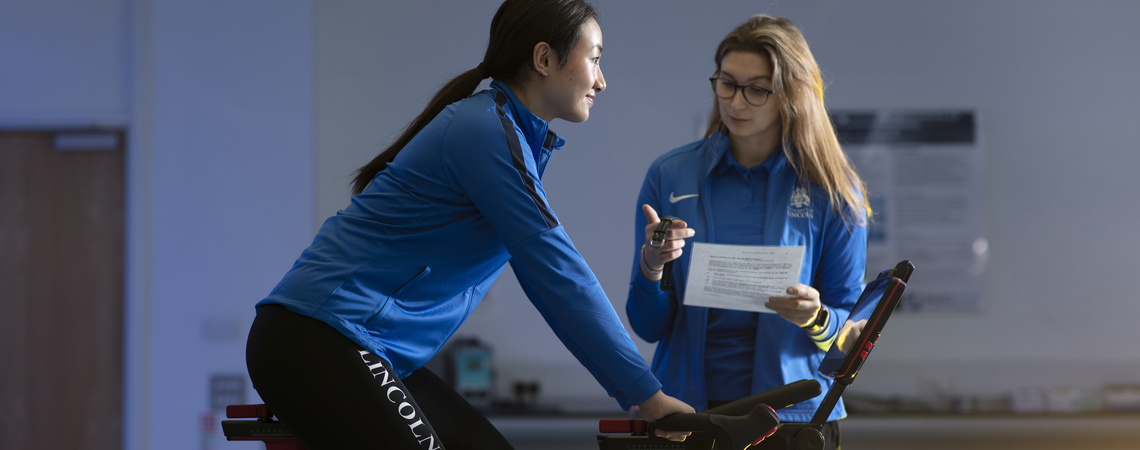
This module aims to use pathophysiology and epidemiology to examine the relationship between physical activity, sedentary behaviour, physical fitness, and health. Students can learn both the risks and benefits of physical activity and exercise, understanding the contraindications to exercise for a range of special population groups. Students will be supported in areas such as the measurement of health-related fitness for at-risk individual and make suitable recommendations for exercise to benefit health. The specific objectives of the module are to: (1) establish an understanding of the dose-response relationship between physical activity, sedentary behaviour, physical fitness and health; (2) develop an understanding and knowledge of key health problems and their pathophysiology; (3) provide the required knowledge to conduct safe and effective screening and pre-exercise assessment for sedentary individuals; and (4) develop an understanding of how to produce suitable exercise recommendations for specific individuals.
Module Overview
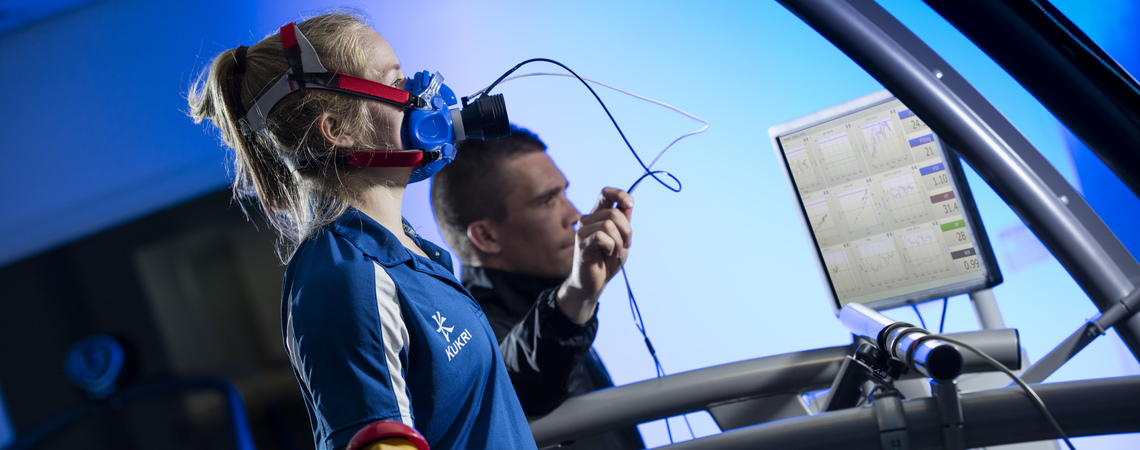
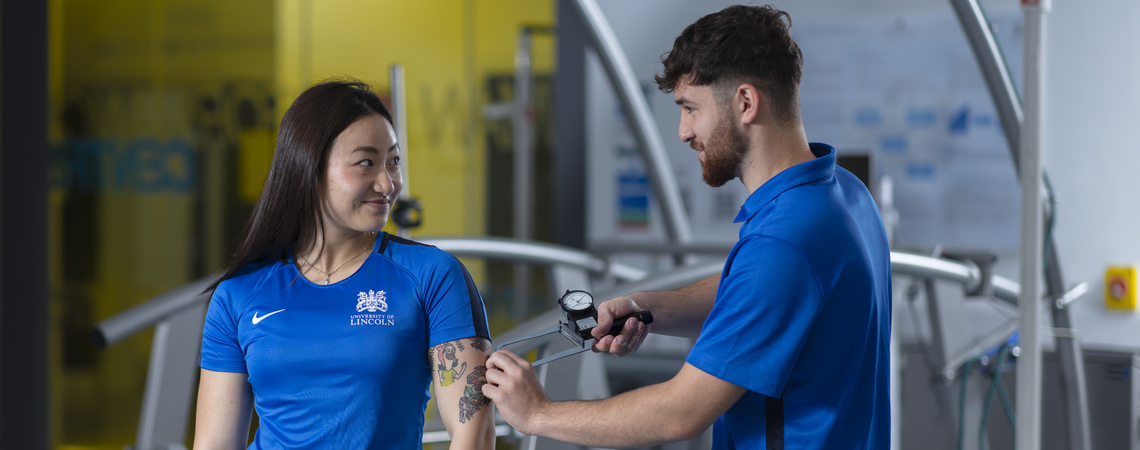
This module aims to enable students to consolidate and expand their knowledge of the foundations of sport physiology, developed at Level 1 by encouraging the application of the fundamental principles of anatomy and physiology. Students will learn how physiological assessments are used to evaluate sporting performance and they will undertake a range of practical assessments related to key performance-related components of fitness. The specific objectives are to: (1) develop theoretical understanding of sports specific components of fitness; and (2) improve independent proficiency in monitoring, assessing, and evaluating physiological performance using underpinning theoretical knowledge.
Module Overview
This module will facilitate a deeper level of knowledge, understanding and critical awareness in key areas of health and exercise psychology. Through the evaluation and critical appraisal of behaviour change approaches/models, theories, and research evidence, students on this module will consider how knowledge is developed and applied in the context of physical activity/exercise promotion and maintenance. Students will be required to challenge existing knowledge and best practice across developing and topical lines of research, which will foster skills such as critical thinking, curiosity, and open-mindedness.
Module Overview
This optional, year-long module enables students to spend a year studying abroad at one of the University’s approved partner institutions. Eligible students must have completed their second year of study to a satisfactory standard and successfully completed the application process for the year abroad. During the year spent abroad, students share classes with local students and study on a suite of locally-delivered taught modules which have been approved in advance by the University. Upon their return, as part of the assessment for this module, students are required to critically reflect upon their experience of living and studying in a different cultural environment and the skills acquired.
Module Overview
This module aims to enable students to develop knowledge and application in the area of data collection strategies to monitor and analyse sporting performance. It will involve the delivery of theoretical underpinning and field-based performance analysis strategies and their application to assessment of practical sport. Students will typically develop skills and competency in using specialist equipment and software and communicating data through a variety of formats. Students will typically develop skills in critical thinking, active learning, digital and data literacy, and curiosity.
Module Overview
This module will facilitate a deeper level of knowledge, understanding and critical awareness in key areas of sport and performance psychology. Through the evaluation and critical appraisal of core concepts, theories, and research evidence, students on this module will consider how knowledge is developed and applied to aid performance and psychological outcomes in sporting contexts. Students will be required to challenge existing knowledge and best practice across developing and topical lines of research, which will foster skills such as critical thinking, curiosity, and open-mindedness.
Module Overview
This module aims to create a valuable opportunity for students to gain important insights and improve their skills and prospects relevant to employment or further study (i.e. within psychology, sports science, therapy, rehabilitation or related subject areas) by undertaking relevant work experience.
/filters:format(webp)/prod01/university-of-lincoln-cdn-pxl/media/responsive2017/collegeofsocialscience/schoolofsportandexercisescience/8-11-19,Lincoln,Uni,1914.jpg)
/filters:format(webp)/prod01/university-of-lincoln-cdn-pxl/media/responsive2017/collegeofsocialscience/schoolofsportandexercisescience/LCFC.jpg)


/filters:format(webp)/prod01/university-of-lincoln-cdn-pxl/media/responsive2017/images/course/accreditationlogos/CIMSPA,Endoresed,and,CPD.jpg)
/filters:format(webp)/prod01/university-of-lincoln-cdn-pxl/media/responsive2017/images/Open,Days,Summer,640X426.jpg)