Skip to content

Course Overview

Media Production at Lincoln is focused on the creative foundations and technical skills needed to thrive as a professional in a rapidly changing media landscape.

The course is designed to empower our students to become imaginative, creative, and culturally aware twenty-first century media practitioners with a thorough understanding of the creative industries and with the intellectual ability to analyse and challenge media conventions.

Lincoln's industry-focused course offers students a comprehensive experience across the many platforms of today's creative sector. This includes TV and screen, design and new emergent media, radio, and sound. Students can find their creative voice and develop a set of specialist skills, taught by experienced industry and research-active tutors.

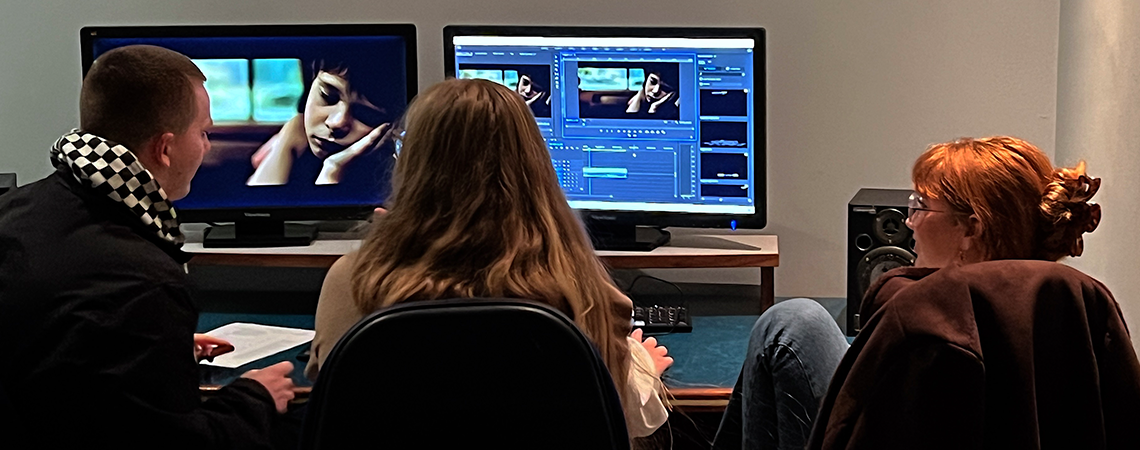
Students can gain hands-on experience through innovative project briefs, expert teaching and a wide range of high-end facilities. Practical and theoretical aspects of the subject are woven together to inform understanding of media production. Practice modules explore technique and craft in a multitude of areas. These include film production, digital media and innovative design, sound, multi-camera studio production, image creation, social media outputs, podcasting, games, script, and screenwriting, as well as rapidly developing emergent forms of media such as augmented and virtual reality.

Why Choose Lincoln

Lincoln graduates have gone on to work on blockbuster films and TV shows

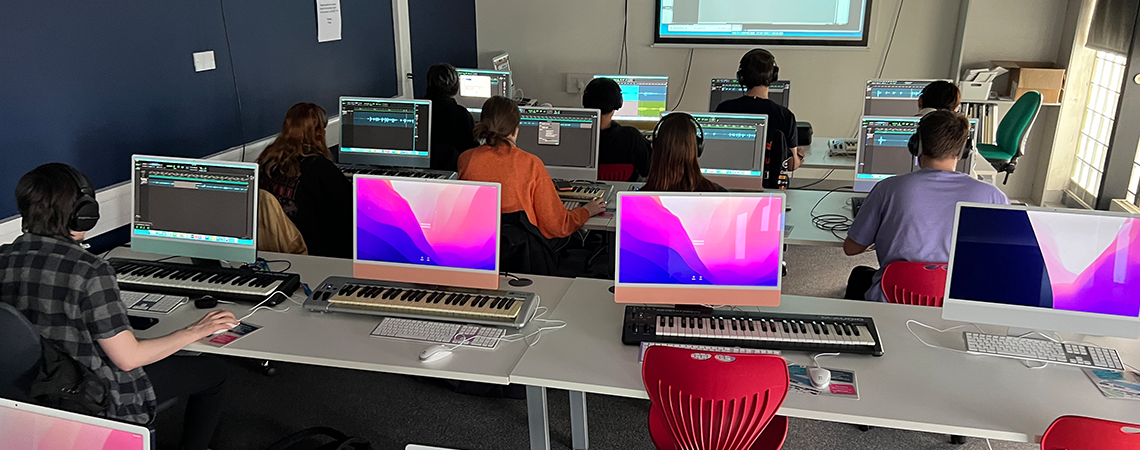
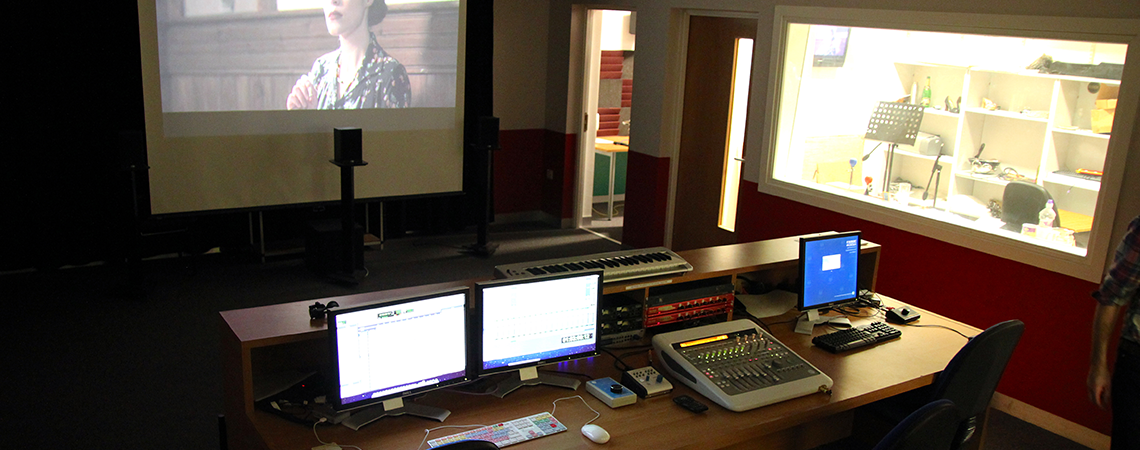
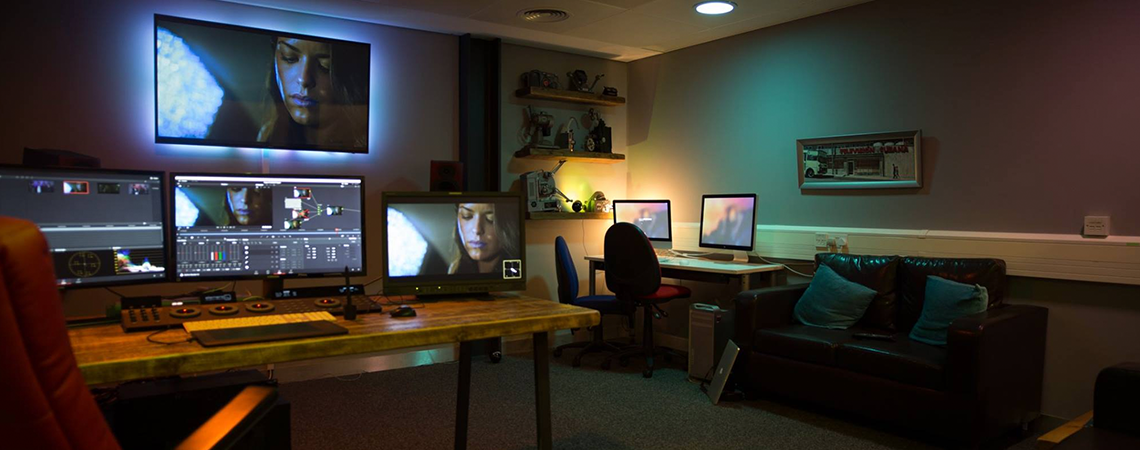
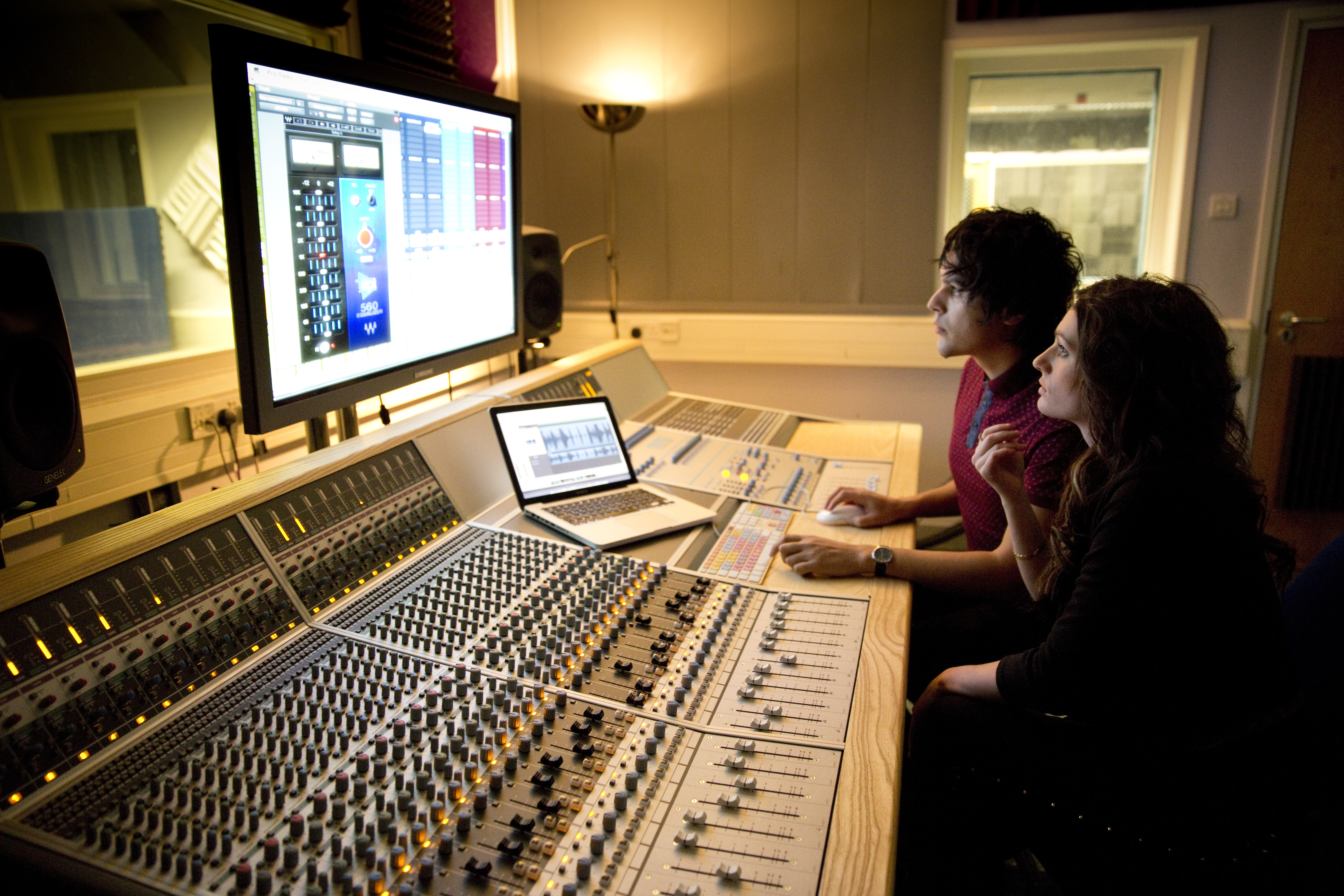
Access to specialist, industry-standard facilities

Get involved with real-world projects outside of the course

Opportunities to take part in overseas exchange programmes

Gain experience on the University's digital audio platform

Learn from staff with industry experience

YouTube video for

How You Study

The programme begins with a focus on the generation of creative ideas across various platforms. It introduces media fundamentals and creative workflows. Students are able to practise these skills by creating their own content and can go on to specialise in the media that most suits their personal interests and career aspirations.

The course is designed to give you a thorough understanding of the exciting media landscape and allow you to curate your career as a multi-skilled creative media practitioner. In your first year, you can work and collaborate across a range of production areas such as film, video, audio, design, digital skills, and storytelling through scripts to enable you to gain a broad experience and to help you find your voice.

In your second year, you can start to study topics of personal interests through a range of optional modules. By year three, you'll be shaping and polishing these skills with some substantial project-based modules designed to put your abilities into a professional working context.

Practical and theoretical aspects of the subject are woven together to create an informative approach to media production. Practice modules explore technique and craft in a multitude of areas, such as film production, digital media design, sound, multi-camera studio, image creation, social media outputs, podcasting, games, script and screenwriting, as well as rapidly developing emergent forms of media such as augmented and virtual reality. Critical studies modules present new and established media theories.

We are constantly evolving our Media Production programme to take into account the latest developments in the creative economy, technology, and creative thinking. Lecturers include experienced specialists in their chosen fields, from those with diverse research-based interests and expertise, to award-winning industry professionals.

Lincoln School of Film, Media and Journalism has a range of online resources and discussion groups where students can share ideas and network. A rolling programme of visiting lectures from industry professionals and creative academics enhances the core curriculum.

Students are encouraged to watch and listen to a range of broadcast outputs on terrestrial television and other online providers to ensure they are fluent in a range of genres and media.

Modules

Module Overview

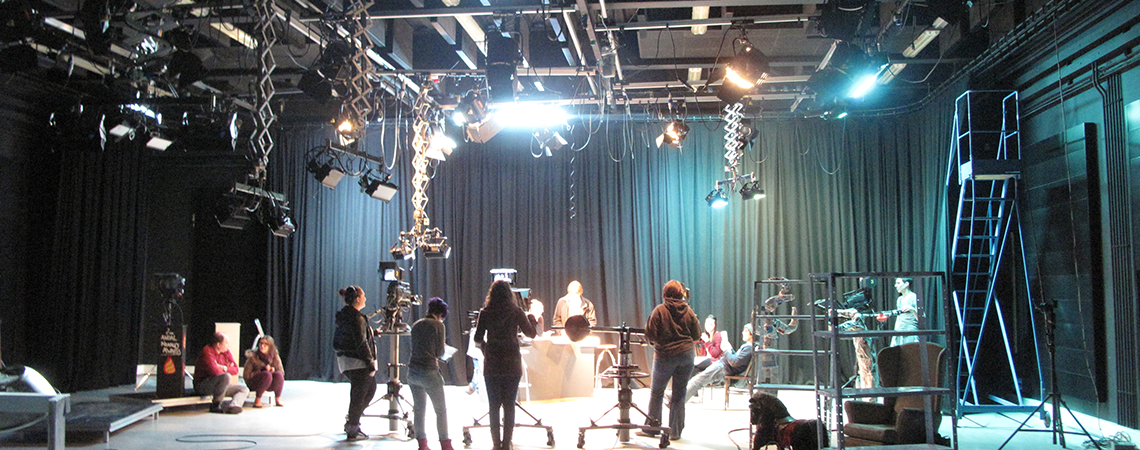
Within the professional context of radio and television studio production, students will learn practical skills alongside critical thinking, contextual studies and problem solving.

Module Overview

Cultivating Creativity is a first-year interdisciplinary module designed to develop students' creative thinking and industry awareness. The module fosters curiosity, ideation, and practical application while equipping students with essential academic, creative and professional skills. Through engagement with contemporary issues, students will explore how these topics intersect with their chosen industry contexts.

Module Overview

This module equips students with the core creative and technical skills essential for today’s film and media practitioners. Through hands-on workshops and practical exercises, students will gain experience with key production and post-production tools, developing creative confidence and knowledge of practice workflows and industry standards. Learning is consolidated through a reflective journal that captures technical progress, creative experimentation, and future applications in media practice.

Module Overview

This module provides a structured, year-long journey through the development, research, production, and reflection processes underpinning contemporary media practice. Students progress from ideation and contextual exploration in Semester A to the realisation of a completed studio-based production in Semester B. The syllabus integrates television studio practice, audio-based communication, and digital graphics, enabling students to develop a coherent creative concept across multiple media platforms.

Module Overview

This module introduces students to the historical development, formats, and cultural practices of criticism across film, television, and screen media. It explores the distinctions and overlaps between criticism, reviewing, and analysis, developing students’ understanding of how each operates within different professional and cultural contexts.

Through collaborative discussion and close engagement with a range of media texts, students will strengthen their ability to articulate informed interpretations and critical judgements for diverse audiences. The module supports the development of both analytical rigour and creative communication skills.

The module culminates in the production of a portfolio of critical work across multiple formats — which may include written, audio, video-based, and interactive pieces — reflecting the varied ways in which contemporary screen media criticism is produced and shared.

Module Overview

This practice-based module introduces students to the core creative and technical skills involved in digital content production across a range of media forms. It places emphasis on experimentation, creative exploration, technical proficiency, and an understanding of how different tools and approaches can be combined in contemporary production workflows. Students will engage with professional practices in motion graphics, product and mobile videography, AI-assisted image generation, and real-time production, while developing key software skills in appropriate industry tools. Through this process, they will produce a portfolio of practical work that evidences their developing skills and understanding of digital content practice, supported by a reflective learning journal.

Module Overview

Your learning on this module encourages you to be adaptive and inquisitive in the face of change, equipping you with the critical awareness and agility needed to navigate a rapidly shifting media landscape. Alongside theoretical inquiry, you will engage in practical experimentation with selected emerging technologies or tools, analysing their creative potential through testing and evaluation. You will communicate your findings through research-led creative outputs, such as a video essay or another critically informed presentation format.

Module Overview

Expanded Film invites students into the world of experimental and artist-led moving-image practice. Through screenings, lectures and hands-on workshops, the module explores how filmmakers and visual artists challenge conventional storytelling to create bold, alternative screen works. Students experiment with a range of techniques and forms, such as expanded cinema, installation, video essay and title-sequence design. W, while developing their own short experimental artefact. Along the way, they learn to connect creative choices with key artistic influences and critical ideas, building confidence in imaginative, boundary-pushing practice.

The module is designed to be flexible in both content and assessment. Students may use a wide range of tools, methods, and forms. The portfolio format supports different working styles and access needs. Readings are short, accessible and available digitally.

Module Overview

This module introduces students to experimental approaches within animation, encouraging exploration beyond conventional workflows through the use of 2D rigs, hybrid techniques, and emerging digital tools. Students engage in short practical projects that integrate traditional animation principles with innovative processes, developing confidence in creative risk-taking and technical experimentation. By testing the boundaries of animation practice, students broaden their understanding of how alternative methods can enhance storytelling, motion design, and visual expression. The module provides a foundation for more advanced creative and technical development in later years.

Module Overview

Sound for Visual Media equips and empowers you to apply fundamental sound production skills in a variety of visual media contexts. Through a range of industry-aligned methods and practices, you will create complex soundtracks in response to specific visual media, drawing on key principles and theories of sound.

Module Overview

Creative Collaboration is a Level 5 shared core module that develops students’ ability to work effectively with others in the conception, development, and presentation of creative media projects. Through a series of intensive design sprints, students will collaborate in small groups to respond to a set of themed creative challenges aligned with real-world contexts such as social impact, sustainability, and emerging cultural practices.

The module emphasises collaboration as a creative and professional practice, foregrounding communication, negotiation, leadership, and problem-solving alongside ethical and cultural awareness. Students will be supported to reflect critically on both the creative outcomes and the collaborative processes that shape them.

The module culminates in a project-pitching event in which students present their collaborative projects and participate in a panel discussion, demonstrating their ability to articulate creative intent, evaluate collaborative dynamics, and respond to critical questioning.

Module Overview

In this module, students will create their first significant piece of narrative-led production, developing their project for a specific audience and taking on key roles in its creation, before testing it upon completion.

Module Overview

This practical, skills-based module focuses on designing and producing high-impact short-form content for the promotion of products and branded campaigns. It moves beyond introductory skill-building, asking students to apply their technical knowledge in professional-style production pipelines while developing creative direction, planning and delivery skills expected in industry contexts.

Module Overview

This module aims to give you an opportunity to immerse yourself in a specialist area within the creative arts. The content of the module is shaped by the research and practice expertise of staff members who actively collaborate with and mentor you throughout your exploration of this specialist area. This ensures that you benefit from the latest insights and methodologies within the chosen specialist area, gaining a well-rounded understanding that integrates theoretical knowledge with practical application.

Module Overview

This module explores the creative and technical processes of post-production for animation and visual effects. Students learn to integrate multiple visual layers, rendered passes, and live-action plates to produce seamless, cinematic imagery. Workshops cover keying, rotoscoping, tracking, and grading using professional software and emerging novel tools that enhance efficiency without replacing creative control. By the end of the module, students will produce a short composited sequence demonstrating visual coherence, colour harmony, and narrative intent — preparing them for advanced production and real-time workflows in Level 6 study

Module Overview

This module introduces students to the principles and practices of commercial motion design, where animation, graphic design and video combine to create moving visuals for professional and promotional purposes. Motion design is widely used in advertising, branding, broadcast, digital and social media, as well as in corporate communication and experiential contexts such as title sequences, film credits, music videos, product launches and digital interfaces.

Module Overview

Power up your audio production skills with this hands-on, deep dive into the virtual worlds of game audio. Learn how sound designers and studios create atmospheric and action-packed soundscapes to accompany complex gameplay. From creating bespoke sound assets to integrating audio into game engine software, this module is tailor made for those seeking to work in the game audio sector.

Module Overview

The module aims to introduce you to a range of conceptual and theoretical approaches to the study of horror in popular culture. It explores the history of the genre and selected subgenres as well as contemporary manifestations, both supernatural, and realist horror.

The module looks at the horror genre in terms of various social, cultural and national contexts. Students can study psychoanalytical approaches to these fictions as well as approaches such as affect theory which attempt to go beyond psychoanalysis. Through lectures, screenings and discussions, students are encouraged to apply these approaches to the analysis of selected media texts and subgenres.

Module Overview

Ever wondered what really happens behind the scenes on a professional film set? This module lifts the curtain on the fascinating world of the lesser-known – but absolutely essential – roles that bring a production to life. From discovering what an Assistant Director actually does to exploring the creative magic of a Foley Artist, you’ll get an inside look at the craft, the teamwork, and the problem-solving that power the screen industries.

You’ll be introduced to the full range of production roles, learning what each one does, how they collaborate, and the specialist skills involved. By the end of the module, you’ll have a confident, industry-level understanding of the entire production pipeline—and a clear sense of where you might fit within it. Whether you’re aiming to step onto set, into the studio, or behind the scenes, this module helps you discover the exciting career pathways that lie ahead.

Module Overview

This module is part of the University's commitment to academic programmes that encourage a high level of vocational relevance. This module encourages students to think beyond their University life, reaching into the wider community to hone their skills and target future employment possibilities. The module aims to enable students to examine how arts-based organisations, educational and non-traditional arts-based establishments function and provide students with valuable workplace experience.

Module Overview

Discover the twin pillars of professional screenwriting: creating original story material and evaluating scripts with an industry-ready eye. In this module, you’ll learn how to develop compelling film and television ideas, shape them into concise story outlines, and craft polished opening pages of screenplay that showcase your voice and creative intent. You’ll also step into the world of script development, where you’ll analyse feature film screenplays and produce clear, insightful script coverage — a skill used daily across studios, production companies, agencies, and development rooms. Through workshops, practical tasks, and guided feedback, you’ll build the creative, analytical, and communication skills that underpin successful writing careers. Whether you’re aiming to write your own projects or support the development of others, this module gives you the tools, confidence, and professional mindset to thrive in the screen industries.

Module Overview

The Industry Placement Year is an exciting opportunity for students to take a year out of formal study to gain real-world experience in the creative industries. Whether you’re looking to build industry connections, develop professional skills, or explore career options, this year will give you a full-time, hands-on experience within an arts, cultural, or creative organisation.

This year is a collaborative experience between you, your employer, and the University—ensuring that you get the most out of your time in a professional setting.

Module Overview

Study Abroad is an optional module which enables students to spend a semester studying abroad at one of the University’s approved partner institutions. Eligible students must have completed their first year of study to a satisfactory standard and successfully completed the application process for the study abroad scheme. During the semester spent abroad, students share classes with local students and study on a suite of locally-delivered taught modules which have been approved in advance by the University. Upon their return, as part of the assessment for this module, students are required to critically reflect upon their experience of living and studying in a different cultural environment and the skills acquired.

Module Overview

This module aims to give students a thorough understanding of production design, together with practical and creative skills to develop their own design solutions. Using key examples of production design throughout cinematic and televisual history, students will develop an understanding of how the role has evolved and changed over the years, and where it may be going. Using diverse examples of production designers across multiple genres, the aim is to provide a broad range of contextual references, to provide a foundation for the students’ own creative exploration and experimentation. The students will develop and realise their own production design proposal. This will be presented in an industry-inspired portfolio.

Module Overview

The space occupied by Youth is one that is frequently highly contested, debated and dissected. From ideas of alienated Other to active change maker, youth culture is situated as a fascinating in between site (as a bridge between child and adulthood), as challenging authority and belonging nowhere. The screen scrutinises youth culture through a socio-political lens and asks questions of it, such as how is it perceived, where is it positioned and what does it want?

Screening Youth explores the representation of young people in film and television within the context of society, culture and politics. The module will address youth on screen through themes that contextualise young people in and out of society, which may include image, space, sexuality, violence, identity and sub-cultures to enable students to understand and disseminate youth representations on UK, Hollywood and Global screens.

Module Overview

Enter the exciting world of sound design for moving image, where you will learn the methods and techniques employed by audio professionals working on some of your favourite films and television shows. You will be taken through the processes of creating the soundtrack for a dynamic moving image production, from its inception to completion. Using your imagination, you will channel your creative ideas into sound, using a range of industry-aligned equipment and facilities.

Module Overview

Storytelling for Animation and VFX equips students with the creative skills needed to write compelling narratives that challenge preconceptions of the medium. Students explore global animations, comics and folklore as inspirations and create their own original short form stories.
Module Overview

Creative Futures is a final-year module designed to prepare students for the transition into professional life. Through guest talks, lectures, tutorials, and flexible online learning, students gain a critical understanding of creative careers and the wider labour market. The module focuses on key transferable skills such as emotional intelligence, resilience, digital literacy, critical thinking, leadership, and intercultural awareness. Students will reflect on their strengths, values, and goals, and emerge confident, career-ready, and equipped to thrive in diverse professional environments.

Module Overview

Graduation Project is a 30-credit, final-year module that provides students with the opportunity to conceive, design, and produce a substantial creative project of their own devising. Serving as the practical culmination of their undergraduate studies, the module enables students to demonstrate the full range of conceptual, technical, and professional skills developed throughout the programme.

Module Overview

This year long module helps students build a professional presence that aligns with creative industry expectations. Through research into sector benchmarks, visual styles and portfolio formats, students will develop a body of work that positions them clearly within their intended field. Alongside this, they will produce self-promotional content, maintain active digital profiles and engage with audiences using appropriate platforms. Students finish the module with a resolved portfolio and a confident public identity.

Module Overview

Specialist Skills Development is a 15-credit practical module that enables students to devise, plan, and undertake a self-directed media experiment focused on extending or refining their technical and creative skillset. Acting as a preparatory stage for the final-year Graduation Project, the module encourages exploration, testing, and innovation within an area of personal or professional interest. Students will identify a specific production technique, workflow, or creative approach to investigate, producing a body of experimental work supported by contextual research and critical reflection. The emphasis is on process, discovery, and communication of learning rather than on polished outcomes.

Module Overview

This module explores the technical backbone of animation production, focusing on rigging, technical animation, and character-effects workflows used in professional pipelines. Students learn how to design, build, and manage functional rigs for characters, props, and articulated systems, while integrating procedural or effects-driven elements to enhance motion and performance. By combining creative problem-solving with industry-standard production methods, students gain the core technical direction skills that underpin modern animation and VFX practice

Module Overview

Community Impact gives students the opportunity to apply their creative skills to real-world challenges in collaboration with external partners and communities. Working individually or in teams, students research, propose, and deliver creative responses to community-focused briefs that address social, cultural, or ethical issues. The module develops professional and transferable skills including project management, communication, collaboration, and reflective practice, while encouraging students to consider how creative work can make a meaningful contribution beyond the University environment.

Module Overview

This module helps you discover how to market and promote creative work effectively. You’ll build practical skills in communication, marketing, and distribution, exploring how creative products and services are positioned and reach audiences across different sectors. You’ll also learn research approaches that give you insight into industry trends and apply these ideas to real-world contexts. Through hands-on assignments, you’ll develop strategies to showcase your work and make it stand out in the competitive creative industries.

Module Overview

This module examines principles of games and play as cultural, aesthetic, and conceptual forms across multiple film and media contexts. It considers how these principles increasingly shape visual culture and digital media practices, including cinematic games, streaming cultures, and forms of interactive storytelling. Through critical study and creative experimentation, the module explores gamification, gameful design, and the growing influence of play-based systems across media and everyday life. It culminates in the creation of design prototypes that reflect games as spaces of cultural expression and innovation.

Module Overview

In this module, you’ll develop skills and knowledge in immersive audio. You’ll explore cutting-edge concepts, technologies, and production techniques that bring sound to life in three dimensions. Through hands-on experience, you’ll work with spatial audio formats like Ambisonics, Dolby Atmos, and binaural rendering, while mastering the principles of multichannel capture, mixing, and monitoring in a professional immersive studio environment.

Module Overview

This module gives students the opportunity to explore how digital content can shape physical spaces, real time environments and interactive experiences. Through hands on experimentation, rapid prototyping and user centred design, students investigate contemporary immersive practices and develop adaptable production methods suited to a fast-changing creative landscape. By the end of the module, students will have produced a small-scale immersive prototype that demonstrates clear problem solving, creative exploration and confident technical decision making.

Module Overview

The module focuses on screen media representations of minds and bodies with an emphasis on moving beyond assessing accuracy of portrayals to understanding the ideological contexts, discourses of power and critical debates in which perceptions of authenticity are constructed. It expands students’ knowledge of screen media’s role in processes of racialization, gendering and othering. Students taking this module will venture beyond film and media scholarship to develop intellectually rigorous critical reading. Drawing on this advanced engagement with established and contemporary debates students will undertake nuanced close textual analysis Students taking this module will develop research skills and written argumentation to support preparation for independent study or similar in-depth engagement with critical ideas.

Module Overview

This module offers students the opportunity to produce a professional-quality short film project that reflects their creative interests and career ambitions. Working within an open brief, students will develop and realise a moving-image work that demonstrates both creative intent and professional production practice. The completed film will serve as a key portfolio piece, supporting progression into industry or further study.

Module Overview

This module offers students the opportunity to develop a professional-quality screenplay project tailored to their creative interests and career goals. Working within an open brief, students will produce an original screenplay artefact that demonstrates advanced storytelling and professional presentation, forming a strong addition to their final portfolio.

Module Overview

This module immerses students in the creative and technical processes of real-time animation production. Using digital content creation (DCC) tools and game engines, students design cinematic sequences that bring animated stories to life in real time. They explore 3D layout, digital cinematography, and shot composition while learning how to manage efficient real-time workflows used in pre-viz, game cinematics and virtual production. By end of the module, students will have produced a short real-time cinematic sequence that demonstrates professional storytelling, aesthetic control, and technical proficiency suitable for contemporary animation and VFX pipelines.


† Some courses may offer optional modules. The availability of optional modules may vary from year to year and will be subject to minimum student numbers being achieved. This means that the availability of specific optional modules cannot be guaranteed. Optional module selection may also be affected by staff availability.

What You Need to Know

We want you to have all the information you need to make an informed decision on where and what you want to study. In addition to the information provided on this course page, our What You Need to Know page offers explanations on key topics including programme validation/revalidation, additional costs, and contact hours.

How you are assessed

The way students are assessed on this course may vary for each module. Examples of assessment methods that are used include submitting film projects or digital media artefacts, coursework, such as written assignments, reports or dissertations; practical exams, such as presentations, performances or observations. Normally there are no formal timed examinations, though live assessments are sometimes conducted. The weighting given to each assessment method may vary across each academic year.

Specialist Facilities

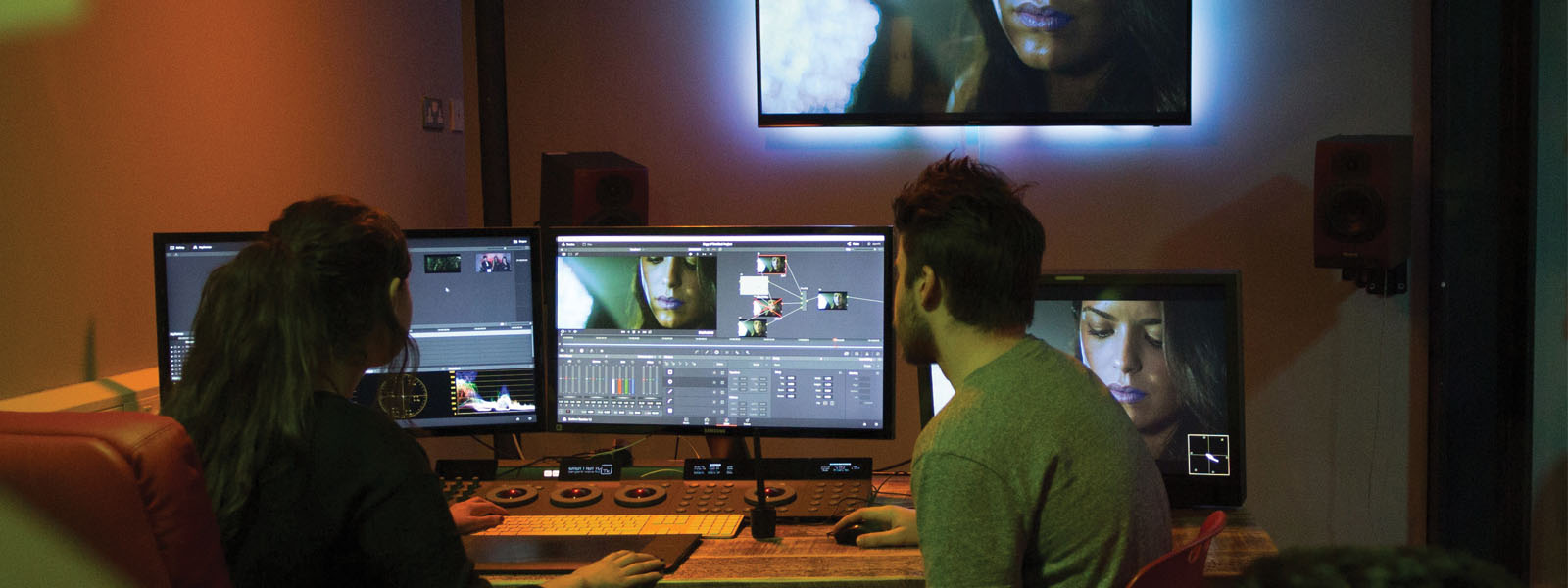
Students on this course have access to specialist facilities, professional-standard equipment and creative spaces to develop their skills in preparation for their future career. 

Virtual Production Session

Real-Time 3D Tracking

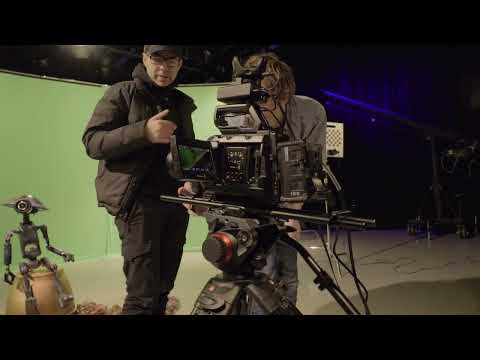
Watch this short video that shows highlights from our Virtual Production session at the University of Lincoln. This was an interactive session in which staff and students could learn more about real-time 3D tracking. This shows the state-of-the-art facilities we offer here at the University of Lincoln and what is available for students to utilise if they choose to study here.

YouTube video for

Exchange Programme

There is currently an opportunity to take part in exchange programmes with partner institutions, including in the USA. If you spend less than ten weeks on campus as a result of this exchange then a Study Abroad Tuition Fee is payable to the University of Lincoln during this year for students joining in 2025/26 and beyond. No extra tuition fee is payable to the host university, but students are expected to cover their own travel, accommodation, and living costs. Travel grants and an overseas rate maintenance loan may be available for eligible students from Student Finance. The University’s Global Opportunities Team can provide further support and guidance.  

Collaborative Working

This course has a significant emphasis on collaboration and creative entrepreneurship, helping you to shape your own path as a media producer. There are opportunities, through the Lincoln School of Film, Media and Journalism Academy and our social enterprise New Media Lincs, to get involved with real-world projects outside of the course. This could range from collaborations within the College of Arts, Social Sciences and Humanities, international institutions, the bi-annual Frequency Festival, our annual showcase, joining our co_LAB innovation group, or working on paid professional commissions.

Competitions

Students are encouraged to enter their work in local, national and international competitions and award schemes. We have a history of success in the regional and national Royal Television Society Student film awards and for the last two years a selection of student and staff work has been showcased at Aesthetica Short Film Festival in York.

We're famous!

Take a look at some of the locations around Lincoln that have been featured in mainstream film and television.

YouTube video for

What Can I Do with a Media Production Degree?

Our graduates have gone on to work in television and radio broadcasting, advertising and social media, filmmaking, visual effects, editing and post-production, photography, multi-media production, web design, and research. Projects have involved James Bond and Jason Bourne films, as well as BAFTA award-winning TV programmes such as Wolf Hall, Blue Peter, Gogglebox, and Blue Planet II. Media skills can prepare students to work in other areas, such as advertising, public relations, marketing, education, events management, and online publishing.

Graduates from the course live across the globe from the Antarctic to the US to the Pacific Islands, working in television and radio broadcasting, filmmaking, editing, photography, multi-media production, web-design and research. Organisations our graduates are employed at include Sky, BBC News 24, Channel 4, Pinewood Studios, Microsoft, and Talkback. Some have set up their own companies with the support of the University’s business incubation centre Sparkhouse. Others, such as TomSka and Jack Howard, are popular on YouTube.

Many of our graduates keep in touch with us and take part in an annual alumni event where current students can meet with, and get advice from, past students. Some also publish blogs, articles, and come in to lecture or teach on modules.

Entry Requirements 2026-27

United Kingdom

104 to 112 UCAS Tariff points.

This must be achieved from a minimum of 2 A Levels or equivalent Level 3 qualifications. For example:

A Level: BCC to BBC

BTEC Extended Diploma: Distinction Merit Merit

T Level: Merit Overall

Access to Higher Education Diploma: 104 to 112 UCAS points to be achieved from 45 Level 3 credits.

International Baccalaureate: 28 points overall.

GCSE's: Minimum of three at grade 4 or above, which must include English . Equivalent Level 2 qualifications may be considered.

The University accepts a wide range of qualifications as the basis for entry and do accept a combination of qualifications which may include A Levels, BTECs, Extended Project Qualification (EPQ).

We may also consider applicants with extensive and relevant work experience and will give special individual consideration to those who do not meet the standard entry qualifications.

International

Non UK Qualifications:

If you have studied outside of the UK, and are unsure whether your qualification meets the above requirements, please visit our country pages

https://www.lincoln.ac.uk/studywithus/internationalstudents/entryrequirementsandyourcountry/ for information on equivalent qualifications.

EU and Overseas students will be required to demonstrate English language proficiency equivalent to IELTS 6.0 overall, with a minimum of 5.5 in each element. For information regarding other English language qualifications we accept, please visit the English Requirements page

https://www.lincoln.ac.uk/studywithus/internationalstudents/englishlanguagerequirementsandsupport/englishlanguagerequirements/

If you do not meet the above IELTS requirements, you may be able to take part in one of our Pre-sessional English and Academic Study Skills courses.

https://www.lincoln.ac.uk/studywithus/internationalstudents/englishlanguagerequirementsandsupport/pre-sessionalenglishandacademicstudyskills/

If you would like further information about entry requirements, or would like to discuss whether the qualifications you are currently studying are acceptable, please contact the Admissions team on 01522 886097, or email admissions@lincoln.ac.uk

Please note application assessment criteria may vary by country and we may close to applications from some domiciles. Please view the Your Country pages of our website before making an application.

Contextual Offers

At Lincoln, we recognise that not everybody has had the same advice and support to help them get to higher education. Contextual offers are one of the ways we remove the barriers to higher education, ensuring that we have fair access for all students regardless of background and personal experiences. For more information, including eligibility criteria, visit our Offer Guide pages. If you are applying to a course that has any subject specific requirements, these will still need to be achieved as part of the standard entry criteria.

What do our students think?

Emily and Finn share their positive experience studying BA (Hons) Media Production at the University of Lincoln. They share their favourite parts of the course and how the University has prepared them for their careers.

YouTube video for

Fees and Scholarships

Going to university is a life-changing step and it's important to understand the costs involved and the funding options available before you start. A full breakdown of the fees associated with this programme can be found on our course fees pages.

Course Fees

For eligible undergraduate students going to university for the first time, scholarships and bursaries are available to help cover costs. To help support students from outside of the UK, we are also delighted to offer a number of international scholarships which range from £1,000 up to the value of 50 per cent of tuition fees. For full details and information about eligibility, visit our scholarships and bursaries pages.

Course-Specific Additional Costs

Study Abroad

Opportunities within the EU

Students on this course will have the opportunity to study at a partner institution within Europe as part of this course. Additional information, including costs relating to this opportunity, which is optional, can be found here: http://bit.ly/uolerasmus

The University of Lincoln is committed to continued participation in the Erasmus+ programme, however, participation in future years is dependent on the nature of the UK’s withdrawal from the European Union. More information can be found at www.erasmusplus.org.uk/brexit-update.

Outside of Europe

Exchange students applying to study outside of Europe do not pay tuition fees at their host university. Participants will usually be responsible for all other costs themselves, including travel, accommodation, visas, insurance, vaccinations, and administrative fees at the host institution.

Students going on exchange keep their entitlement to UK sources of funding such as student loans and should apply to their awarding body in the normal way, indicating that they will be studying abroad.

If your time away is a mandatory part of your degree programme, you may be entitled to extra funding. You should ask your funding body about this.

You may also be able to apply to your Local Education Authority or the Student Awards Agency for Scotland for further funding to assist with travel expenses - contact them to enquire.

Find out More by Visiting Us

The best way to find out what it is really like to live and learn at Lincoln is to visit us in person. We offer a range of opportunities across the year to help you to get a real feel for what it might be like to study here.

Three students walking together on campus in the sunshine
The University intends to provide its courses as outlined in these pages, although the University may make changes in accordance with the Student Admissions Terms and Conditions.