Module Overview
This module covers some aspects about animal health and disease. In particular, diseases of a wide variety of different animals, and the impacts which they pose to the animals, and humans. This will also include some levels of disease treatments, and control, and discuss different methods of these. Functional animal nutrition of various species to prevent disease and maintain optimal health, as well as how diseases can affect behaviour will also be included.
Module Overview
Data-centric skills are crucial for any life scientist undertaking any form of data collection, management, visualisation, and/or analysis. This module introduces students to skills in data storage, handling, and manipulation; understanding different data types; visualising data; fitting statistical and analytical models; interpreting and reporting statistical and analytical results; and using these skills in experimental designs. In the age of information, computational skills are becoming ever more relevant, and this module will hone different computational skills. All these skills can aid students in undertaking future research projects, including the third-year honours project.
Module Overview
This module is concerned with the study of the mechanisms by which drugs interact with biochemical, cellular and physiological systems. The module aims to (1) Give an introduction to the key principles of pharmacology; (2) Provide a detailed knowledge of the mechanisms of actions of selected drug; (3) Develop a critical appreciation of the importance and relevance of pharmacology in the treatment of diseases; and (4) Understand the principles of toxicology and drug overdose.
Module Overview
This module provides an overview of the cellular and molecular basis of the immune response in both health and disease. This module will discuss the structure, function and complex mechanisms of host defence by B- and T-Cells and how our immune system are educated to recognise self vs non-self. We will also evaluate the role of inflammatory mediators, soluble effectors and cellular cytotoxicity in inflammation and immunity and appreciate techniques used to screen for these. The module will then finish by discussing how these system impact upon transplantation, autoimmunity, allergy and immunodeficiency and development of new therapies.
Module Overview
Molecular biology is of critical importance when understanding biological systems. This module is designed to provide students with an insight into the techniques used and applied by molecular biologists in a number of specific contexts. The module will explore the origins of molecular life on Earth, before examining the molecular control of eukaryotic replication, transcription and translation. The focus will then move to in vitro experimentation including DNA isolation, amplification, sequencing and manipulation; before looking at applications of molecular biology and how they can be applied to our understanding in areas such as population genetics and health and disease.
Module Overview
This module will focus on understanding both how and why animals behave the way they do. It will consider key concepts within both domestic and wild animal behaviour, drawn from a wide variety of taxonomic groups, and appraise how an animal’s behaviour is influenced by its ecology and evolution, how it links to its underlying cognitive processes, and how it impacts on its welfare and conservation. There will be a particular emphasis on the practical investigation of animal behaviour.
Module Overview
This module explores the regulation and enforcement of animal protection including the background and need for legislation relating to animals, the scientific, political and legal procedures involved in forming legislation and how citizens may become involved in that process. Students develop critical analytical skills through the interpretation and application of legal frameworks as well as the evaluation of the research background underpinning the law. Students also learn to develop and present arguments used in decisions regarding animal protection
Module Overview
The module provides an overview of the main principles of clinical biochemistry and its role in diagnostics and monitoring of patients. It enables students to discuss endocrine disease as well as liver, respiratory, gastrointestinal, vascular, bone and renal disease. It will also cover key techniques used in diagnosis and clinical research.
Module Overview
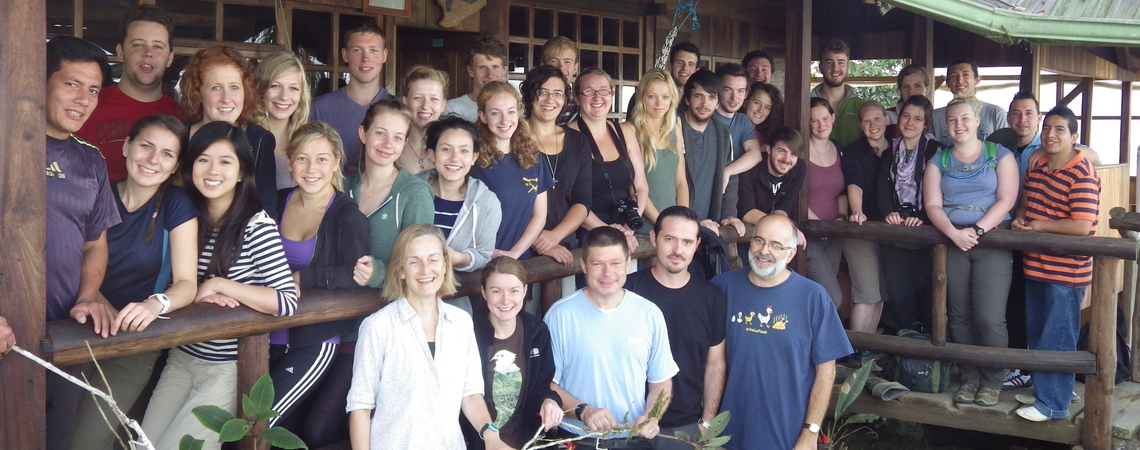
The School believes that an option to study overseas is a valuable educational opportunity for our students. Provision of this option supports the educational aims of the School of Life Sciences and enhances the distinctiveness of its degrees at Lincoln. The optional year is intended to:
- enable students to benefit from studying within a cross cultural environment;
- expose students to a wider academic and cultural experience;
- enhance their future employment opportunities;
- by increasing their cultural and professional mobility.
This module is optional for students within the School. Study Abroad is a year long module which enables students to spend a year studying abroad at one of the University's approved partner institutions. Eligible students must have completed their second year of study to a satisfactory standard and successfully completed the application process for the year abroad.
During the year spent abroad, students share classes with local students and study on a suite of locally-delivered taught modules which have been approved in advance by the University. Upon their return, as part of the assessment for this module, students are required to critically reflect upon their experience of living and studying in a different cultural environment and the skills acquired.
/prod01/university-of-lincoln-cdn-pxl/media/responsive2017/images/openday/DSC04469-1000X700.jpg)



/filters:format(webp)/prod01/university-of-lincoln-cdn-pxl/media/responsive2017/images/Open,Days,Summer,640X426.jpg)