Skip to content

Biology is the science of life itself, exploring the structure, function, growth, origin, evolution, and distribution of living organisms. The BSc (Hons) Biology degree at Lincoln covers a diverse range of subject areas while allowing students to develop their own specialisms. The course includes opportunities for overseas field work to study living organisms in their natural environments.

Students join a vibrant academic community in the Department of Life Sciences and can benefit from research-focused teaching by academics. There is an emphasis on practical work, with students conducting their own projects alongside academics and practising researchers.

Students can participate in a residential field trip in the UK, enabling them to study animals and plants in the wild. There is also an overseas field trip available in the final year as part of the optional 'Overseas Field Course' module.

Biology is the science of life itself, exploring the structure, function, growth, origin, evolution, and distribution of living organisms. The BSc (Hons) Biology degree at Lincoln covers a diverse range of subject areas while allowing students to develop their own specialisms. The course includes opportunities for overseas field work to study living organisms in their natural environments.

Students join a vibrant academic community in the Department of Life Sciences and can benefit from research-focused teaching by academics. There is an emphasis on practical work, with students conducting their own projects alongside academics and practising researchers.

Students can participate in a residential field trip in the UK, enabling them to study animals and plants in the wild. There is also an overseas field trip available in the final year as part of the optional 'Overseas Field Course' module.

Why Choose Lincoln

Subject area ranked in the top 10 overall in the UK*

Optional overseas field trip to locations around the world

Optional placement year

Taught by experienced research-active staff

A residential field trip in the UK

Available with a Science Foundation Year

*Guardian University Guide 2025 (out of 87 ranking institutions)

A student undertaking lab work

How You Study

Throughout this course, students are able to study the many facets of biology, develop an understanding of research methods, and apply their learning in the laboratory and in the field.

The first year of this degree introduces students to the different elements of biology, including evolution, ecology, metabolism, microbial biochemistry, and genetics. In the second year, students can study a range of topics including molecular biology, animal health and disease, animal behaviour, clinical biochemistry and diagnostics, immunology, human ageing and disease, and conservation biology, alongside training in data handling and analysis.

In the third year, students can select from specialist areas including veterinary parasitology, applied biochemistry, cancer epidemiology and pathology, 21st century medicine, blood sciences, plant-animal interactions, soil biology, global change biology, animal cognition and welfare, palaeobiology and behavioural ecology, in addition to undertaking an individual research project to develop independent investigation skills.

Teaching at Lincoln places a strong emphasis on students engaging actively with their studies from the outset. Students are encouraged to think of themselves as researchers and producers who can make a contribution to their field of study. Teaching and learning methods include lectures and practical classes, which cover the core subject matter and technical skills, supported by tutorials and seminars which allow students to develop, analyse, and present their own findings. Practical classes in the laboratory and field allow students to practise project management and data gathering, handling, and interpretation skills.

Students on this programme learn from academic staff who are often engaged in world-leading or internationally excellent research or professional practice. Contact time can be in workshops, practical sessions, seminars or lectures and may vary from module to module and from academic year to year. Tutorial sessions and project supervision can take the form of one-to-one engagement or small group sessions. There is also opportunity to take part in external visits and fieldwork.

How You Study

Throughout this course, students are able to study the many facets of biology, develop an understanding of research methods, and apply their learning in the laboratory and in the field.

The first year of this degree introduces students to the different elements of biology, including evolution, ecology, metabolism, microbial biochemistry, and genetics. In the second year, students can study a range of topics including molecular biology, animal health and disease, animal behaviour, clinical biochemistry and diagnostics, immunology, human ageing and disease, and conservation biology, alongside training in data handling and analysis.

In the third year, students can select from specialist areas including veterinary parasitology, applied biochemistry, cancer epidemiology and pathology, 21st century medicine, blood sciences, plant-animal interactions, soil biology, global change biology, animal cognition and welfare, palaeobiology and behavioural ecology, in addition to undertaking an individual research project to develop independent investigation skills.

Teaching at Lincoln places a strong emphasis on students engaging actively with their studies from the outset. Students are encouraged to think of themselves as researchers and producers who can make a contribution to their field of study. Teaching and learning methods include lectures and practical classes, which cover the core subject matter and technical skills, supported by tutorials and seminars which allow students to develop, analyse, and present their own findings. Practical classes in the laboratory and field allow students to practise project management and data gathering, handling, and interpretation skills.

Students on this programme learn from academic staff who are often engaged in world-leading or internationally excellent research or professional practice. Contact time can be in workshops, practical sessions, seminars or lectures and may vary from module to module and from academic year to year. Tutorial sessions and project supervision can take the form of one-to-one engagement or small group sessions. There is also opportunity to take part in external visits and fieldwork.

The University of Lincoln provides outstanding lectures delivered by experienced and welcoming lecturers. Their passion for the subject reignited my love for Biology and motivated me to achieve my academic goals.

Modules

Module Overview

Comparative Anatomy and Physiology of Animals is concerned with the principles of the diversity of anatomical form and function in animals using a comparative approach. Anatomical adaptations will be explored across taxa within the animal kingdom in order to show how different types of organisms use their anatomy to solve the similar physiological problems. Through this, an understanding will be developed of how organisms from different taxa address physiological aspects of their life histories.

Module Overview

Ecology is the scientific study of the interactions between organisms and their environment. These interactions can be studied across different levels of biological organisation including individuals, populations, communities and ecosystems. This module will examine how these different levels of organisation are interconnected and how the study of ecology allows us to better understand patterns in the natural world

Module Overview

Introduction to the Life Sciences is designed to provide a foundation for students to develop their knowledge and understanding of fundamental cell biology, biochemistry and genetics in the context of life sciences.

Module Overview

This module will introduce students to fundamental aspects of molecular biochemistry and microbiology through the study of antimicrobials. The module will introduce key concepts including Koch’s postulates, Ehrlich’s magic bullet and the 20th century era of antibiotic discovery from Fleming onwards. Students will understand the fundamental differences between both Gram-negative, Gram-positive bacteria and mycobacteria, and how these differences are exploited by different antibiotics. Antimicrobial mechanisms will be explored using the ribosome as an exemplar of a target molecule.

Module Overview

This module aims to provide a broad overview of plant form and function by reviewing the key structural characteristics of cells, tissues and organs in a range of plant species. It investigates the diversity of plant form and the evolutionary history of plant life; emphasis is placed on the adaptations of plants to their environment. It focuses on the relationship between anatomy and the mechanical role of cells, tissues and organs. Concepts and principles are introduced via formal lectures and further developed by using laboratory practicals.

Module Overview

Research methods for the Life Sciences aims to introduce the skills and knowledge necessary for students to assimilate and judge scientific knowledge. Students will be introduced to the tools required to search and evaluate the scientific literature relevant to their studies, and some of the key philosophical constructs around which scientific knowledge is based. They will be taught about hypothesis testing, experimental design, data collection, basic mathematical and statistical concepts, and data presentation, and gain hands-on experience of their application.

Module Overview

This module provides a critical insight into the key biological principles of conservation and their application in a cross-disciplinary context. It will give an overview of the nature and complexity of threats to biodiversity across scales of biological organisation, and approaches to mitigating these. It will detail the methods used to assess risk of extinction / collapse in ecological systems, especially the key foci of management: populations, habitats, and ecosystems. It will highlight the challenges conservation faces in varied contexts: ecological, social, political, economic, historical.

Module Overview

Data-centric skills are crucial for any life scientist undertaking any form of data collection, management, visualisation, and/or analysis. This module introduces students to skills in data storage, handling, and manipulation; understanding different data types; visualising data; fitting statistical and analytical models; interpreting and reporting statistical and analytical results; and using these skills in experimental designs. In the age of information, computational skills are becoming ever more relevant, and this module will hone different computational skills. All these skills can aid students in undertaking future research projects, including the third-year honours project.

Module Overview

The Evolution and Biodiversity module introduces the fundamental concepts that explain how the diversity of life on earth has evolved. The module opens with accounts of the historical development of evolutionary biology as a science, teaches the fundamental principles of evolution, from genes through individuals to communities, from micro- to macroevolution. It builds upon basic ecological principles of interacting individuals across a continuum from mutualism to parasitism, and how these interactions drive co-evolution and adaptation to environments, driving diversity and shaping communities of interacting organisms.

Module Overview

Molecular biology is of critical importance when understanding biological systems. This module is designed to provide students with an insight into the techniques used and applied by molecular biologists in a number of specific contexts. The module will explore the origins of molecular life on Earth, before examining the molecular control of eukaryotic replication, transcription and translation. The focus will then move to in vitro experimentation including DNA isolation, amplification, sequencing and manipulation; before looking at applications of molecular biology and how they can be applied to our understanding in areas such as population genetics and health and disease.

Module Overview

This module will focus on understanding both how and why animals behave the way they do. It will consider key concepts within both domestic and wild animal behaviour, drawn from a wide variety of taxonomic groups, and appraise how an animal’s behaviour is influenced by its ecology and evolution, how it links to its underlying cognitive processes, and how it impacts on its welfare and conservation. There will be a particular emphasis on the practical investigation of animal behaviour.

Module Overview

This module covers some aspects about animal health and disease. In particular, diseases of a wide variety of different animals, and the impacts which they pose to the animals, and humans. This will also include some levels of disease treatments, and control, and discuss different methods of these. Functional animal nutrition of various species to prevent disease and maintain optimal health, as well as how diseases can affect behaviour will also be included.

Module Overview

This module aims to provide students with an integrated understanding of how contemporary pathology and genomic approaches underpin the investigation, diagnosis, prognosis and monitoring of human disease. It introduces students to core principles of histopathology, cytopathology, haematology and genomics, and explores how these disciplines interact within modern diagnostic pathways. Emphasis is placed on understanding disease mechanisms across the human life course, including ageing, cancer and haematological disorders, alongside the ethical, professional and technological considerations associated with genomic and digital pathology.

Module Overview

This module provides an overview of the cellular and molecular basis of the immune response in both health and disease. This module will discuss the structure, function and complex mechanisms of host defence by B- and T-Cells and how our immune system are educated to recognise self vs non-self. We will also evaluate the role of inflammatory mediators, soluble effectors and cellular cytotoxicity in inflammation and immunity and appreciate techniques used to screen for these. The module will then finish by discussing how these system impact upon transplantation, autoimmunity, allergy and immunodeficiency and development of new therapies.

Module Overview

This module is an introduction to the key major taxonomic groups of invertebrates and vertebrates. Major invertebrate groups will include inter alia: sponges, cnidarians, flatworms, nematodes, annelids, molluscs, arthropods, echinoderms, and cephalochordates. All major vertebrate classes will be considered in detail.

Module Overview

The module provides an overview of medical microbiology including bacterial, viral, fungal and parasitic infections both through study of the biology of specific microorganisms and the human diseases they cause. The module considers the transmission, including nosocomial infections and the detection of pathogens, the module also considers the burden, epidemiology, control and treatment of infectious diseases.

Module Overview

The School believes that an option to study overseas is a valuable educational opportunity for our students. Provision of this option supports the educational aims of the School of Life Sciences and enhances the distinctiveness of its degrees at Lincoln. The optional year is intended to:

- enable students to benefit from studying within a cross cultural environment

- expose students to a wider academic and cultural experience

- enhance their future employment opportunities

- by increasing their cultural and professional mobility.

This module is optional for students within the School. Study Abroad is a year long module which enables students to spend a year studying abroad at one of the University's approved partner institutions. Eligible students must have completed their second year of study to a satisfactory standard and successfully completed the application process for the year abroad.

During the year spent abroad, students share classes with local students and study on a suite of locally-delivered taught modules which have been approved in advance by the University. Upon their return, as part of the assessment for this module, students are required to critically reflect upon their experience of living and studying in a different cultural environment and the skills acquired.

Module Overview

This module aims to help students understand theory, develop skills, build tacit knowledge and, importantly, integrate and apply knowledge and skills acquired from prior learning to novel situations. The module is built around the principle of scientific enquiry and the ownership of that process by students in order to develop practical, cognitive, and affective skills. Student ownership will be developed throughout the module, starting with guided activities that teach core identification and field study skills, and culminating in a student-led field study in which students conceive and design an experiment, collect and analyse data, and present the findings.

Module Overview

This module examines a range of interdisciplinary environmental management techniques that are used to address critical environmental, human and planetary health issues. Students will gain an understanding of the most appropriate techniques and solutions using a range of global, regional and local environmental case studies. There is a strong emphasis on practice-based skills with guest lectures from practitioners in the field, practical and seminar classes. An innovative assessment will give students the opportunity to be involved in actively influencing sustainable behaviour in the younger generation and giving them a chance to become the ‘teacher’. This approach is especially useful in the third year as it exposes students to a wide range of career options in environmental science management and policy/regulation.

Module Overview

This module will consider human-caused environmental change that affects a substantial part of the globe and biological systems. Biological responses to these human induced changes will be considered in terms of how organisms, species and communities may acclimatize, adapt or change. Specifically, we will consider how organisms can respond genetically and phenotypically, and how and why communities may change in their species and functional composition. After consolidating understanding of the causes of, and biological responses to, global change, we will consider what these impacts mean for ecosystem structure and function, the development of novel ecosystems, and approaches for conservation and ecosystem management under global change. This module will cover a range of differing causes of global change e.g. biological invasions or urbanisation, but content will be flexible to remain relevant to current and emerging challenges.

Module Overview

In this module, students undertake an independent programme of research under supervision from a member of staff. It provides students with an opportunity to demonstrate original and critical thought, as well as to build discipline-specific research and project-management skills. We currently offer projects in the laboratory (wet or animal) or field, projects that involve data analysis, literature research, educational research, science communication research, and market research. Students may work individually or in groups addressing similar questions, but must write up individually. The findings of the research will be written up and presented orally. The conduct and performance of the student as a research apprentice will be assessed.

Module Overview

Our understanding of human disease is constantly evolving and this increased knowledge is presenting new opportunities to better therapeutically target and treat these diseases. As such, this module will focus on investigating the latest cutting-edge treatments being used by the NHS now and into the future to treat disease, discuss the ethics associated with bringing these into practice, evaluate the successfulness and limitation of these approaches and where future development is needed to fully realise their potential.

Module Overview

This module explores the scientific study of animal cognition and welfare, with particular attention focused on experimental design, methodological considerations and interpretation. It will cover the objective assessment of animal cognition and welfare with research examples from both wild and captive animals.

Module Overview

This module aims to equip students with the practical knowledge and applied skills needed to design and implement effective habitat and species management strategies in the UK. It emphasizes action-oriented approaches grounded in ecological principles, enabling students to critically evaluate management options and develop feasible, evidence-based solutions for real-world conservation challenges.

Module Overview

The blood sciences module will provide a deep understanding of this emerging, mixed-disciplinary field, incorporating areas including clinical biochemistry, haematology and blood transfusion. This module will develop knowledge of the role of clinical biochemistry and immunology laboratories in the functional diagnosis and monitoring of endocrine function, allergy and autoimmunity. In addition, you will gain an understanding of the different haemopoietic systems within the body and the techniques used within NHS haematology laboratories to monitor these.

Module Overview

The module provides an overview of the role of cellular pathology in the diagnosis and monitoring of malignant and non-malignant diseases. This module intends to evaluate the normal and abnormal histology and ultra-structural features of human cells and tissues. The module enables students to appraise malignant and non-malignant cytology, and critically evaluate the role of multiple research and diagnostic techniques; for examples structural analysis by electron microscopy and immunocytochemistry in pathological differential diagnosis. The module will enable students to understand and critically evaluate different methodologies of cancer treatment, how cancer drug resistance evolves and investigation of the role of personalised medicine for optimum patient treatment/outcomes.

Module Overview

This module will build on the knowledge and understanding of microbiology or animal disease gained previously at L2. The module aims to develop students’ understanding of the One Health approach to human and veterinary diseases, including protecting animal and human populations from infectious agents recently introduced through cross species transmission.

Module Overview

This module provides students with the opportunity to investigate biological phenomena in the field at an overseas location. Students work in groups, guided by staff, to develop and test hypotheses allowing them to understand more about biological processes operating within the study area. They are encouraged to view the ecosystem within the wider context of the anthropogenic impacts being imposed on it.

Module Overview

This module provides a critical insight into the study of the biological diversity of soils, including their ecological and functional roles, to understand about best management and conservation practices. It will give a broad overview of the soil habitat and the patterns and drivers of soil biodiversity. The module will also deal with the methods used to manage soil biota and their processes. Concepts and principles will be introduced via formal lectures and further developed by using field and laboratory practicals.

Module Overview

The impact of parasites to the health, welfare and productivity of animals remains one of the most important issues in veterinary biology. An understanding of the biology and epidemiology of parasites and the association they have with their hosts is vital in protecting and improving animal’s health and welfare. This module aims to provide a theoretical background for understanding the specialised features that parasites have developed to adapt to their host and transmit between hosts, the diseases which result and advances in treatment and prevention of infection. Students will also learn analytical laboratory methods for the identification of different types of ecto- and endoparasites. Case studies will be used to illustrate how the current advances in research are applied to understand and inform the epidemiology, control and prevention of parasite mediated disease in animals and monitor emergent diseases globally and within the UK.


† Some courses may offer optional modules. The availability of optional modules may vary from year to year and will be subject to minimum student numbers being achieved. This means that the availability of specific optional modules cannot be guaranteed. Optional module selection may also be affected by staff availability.

Modules

Module Overview

Comparative Anatomy and Physiology of Animals is concerned with the principles of the diversity of anatomical form and function in animals using a comparative approach. Anatomical adaptations will be explored across taxa within the animal kingdom in order to show how different types of organisms use their anatomy to solve the similar physiological problems. Through this, an understanding will be developed of how organisms from different taxa address physiological aspects of their life histories.

Module Overview

Ecology is the scientific study of the interactions between organisms and their environment. These interactions can be studied across different levels of biological organisation including individuals, populations, communities and ecosystems. This module will examine how these different levels of organisation are interconnected and how the study of ecology allows us to better understand patterns in the natural world

Module Overview

Introduction to the Life Sciences is designed to provide a foundation for students to develop their knowledge and understanding of fundamental cell biology, biochemistry and genetics in the context of life sciences.

Module Overview

This module will introduce students to fundamental aspects of molecular biochemistry and microbiology through the study of antimicrobials. The module will introduce key concepts including Koch’s postulates, Ehrlich’s magic bullet and the 20th century era of antibiotic discovery from Fleming onwards. Students will understand the fundamental differences between both Gram-negative, Gram-positive bacteria and mycobacteria, and how these differences are exploited by different antibiotics. Antimicrobial mechanisms will be explored using the ribosome as an exemplar of a target molecule.

Module Overview

This module aims to provide a broad overview of plant form and function by reviewing the key structural characteristics of cells, tissues and organs in a range of plant species. It investigates the diversity of plant form and the evolutionary history of plant life; emphasis is placed on the adaptations of plants to their environment. It focuses on the relationship between anatomy and the mechanical role of cells, tissues and organs. Concepts and principles are introduced via formal lectures and further developed by using laboratory practicals.

Module Overview

Research methods for the Life Sciences aims to introduce the skills and knowledge necessary for students to assimilate and judge scientific knowledge. Students will be introduced to the tools required to search and evaluate the scientific literature relevant to their studies, and some of the key philosophical constructs around which scientific knowledge is based. They will be taught about hypothesis testing, experimental design, data collection, basic mathematical and statistical concepts, and data presentation, and gain hands-on experience of their application.

Module Overview

This module provides a critical insight into the key biological principles of conservation and their application in a cross-disciplinary context. It will give an overview of the nature and complexity of threats to biodiversity across scales of biological organisation, and approaches to mitigating these. It will detail the methods used to assess risk of extinction / collapse in ecological systems, especially the key foci of management: populations, habitats, and ecosystems. It will highlight the challenges conservation faces in varied contexts: ecological, social, political, economic, historical.

Module Overview

Data-centric skills are crucial for any life scientist undertaking any form of data collection, management, visualisation, and/or analysis. This module introduces students to skills in data storage, handling, and manipulation; understanding different data types; visualising data; fitting statistical and analytical models; interpreting and reporting statistical and analytical results; and using these skills in experimental designs. In the age of information, computational skills are becoming ever more relevant, and this module will hone different computational skills. All these skills can aid students in undertaking future research projects, including the third-year honours project.

Module Overview

This module introduces the fundamental concepts that explain how the diversity of life on earth has evolved. The module opens with accounts of the historical development of evolutionary biology as a science, teaches the fundamental principles of evolution, from genes through individuals to communities, from micro- to macroevolution. It builds upon basic ecological principles of interacting individuals across a continuum from mutualism to parasitism, and how these interactions drive co-evolution and adaptation to environments, driving diversity and shaping communities of interacting organisms.

Module Overview

Molecular biology is of critical importance when understanding biological systems. This module is designed to provide students with an insight into the techniques used and applied by molecular biologists in a number of specific contexts. The module will explore the origins of molecular life on Earth, before examining the molecular control of eukaryotic replication, transcription and translation. The focus will then move to in vitro experimentation including DNA isolation, amplification, sequencing and manipulation; before looking at applications of molecular biology and how they can be applied to our understanding in areas such as population genetics and health and disease.

Module Overview

This module will focus on understanding both how and why animals behave the way they do. It will consider key concepts within both domestic and wild animal behaviour, drawn from a wide variety of taxonomic groups, and appraise how an animal’s behaviour is influenced by its ecology and evolution, how it links to its underlying cognitive processes, and how it impacts on its welfare and conservation. There will be a particular emphasis on the practical investigation of animal behaviour.

Module Overview

This module covers some aspects about animal health and disease. In particular, diseases of a wide variety of different animals, and the impacts which they pose to the animals, and humans. This will also include some levels of disease treatments, and control, and discuss different methods of these. Functional animal nutrition of various species to prevent disease and maintain optimal health, as well as how diseases can affect behaviour will also be included.

Module Overview

This module aims to provide students with an integrated understanding of how contemporary pathology and genomic approaches underpin the investigation, diagnosis, prognosis and monitoring of human disease. It introduces students to core principles of histopathology, cytopathology, haematology and genomics, and explores how these disciplines interact within modern diagnostic pathways. Emphasis is placed on understanding disease mechanisms across the human life course, including ageing, cancer and haematological disorders, alongside the ethical, professional and technological considerations associated with genomic and digital pathology.

Module Overview

This module provides an overview of the cellular and molecular basis of the immune response in both health and disease. This module will discuss the structure, function and complex mechanisms of host defence by B- and T-Cells and how our immune system are educated to recognise self vs non-self. We will also evaluate the role of inflammatory mediators, soluble effectors and cellular cytotoxicity in inflammation and immunity and appreciate techniques used to screen for these. The module will then finish by discussing how these system impact upon transplantation, autoimmunity, allergy and immunodeficiency and development of new therapies.

Module Overview

This module is an introduction to the key major taxonomic groups of invertebrates and vertebrates. Major invertebrate groups will include inter alia: sponges, cnidarians, flatworms, nematodes, annelids, molluscs, arthropods, echinoderms, and cephalochordates. All major vertebrate classes will be considered in detail.

Module Overview

The module provides an overview of medical microbiology including bacterial, viral, fungal and parasitic infections both through study of the biology of specific microorganisms and the human diseases they cause. The module considers the transmission, including nosocomial infections and the detection of pathogens, the module also considers the burden, epidemiology, control and treatment of infectious diseases.

Module Overview

The School believes that an option to study overseas is a valuable educational opportunity for our students. Provision of this option supports the educational aims of the School of Life Sciences and enhances the distinctiveness of its degrees at Lincoln. The optional year is intended to:

- enable students to benefit from studying within a cross cultural environment;

- expose students to a wider academic and cultural experience;

- enhance their future employment opportunities;

- by increasing their cultural and professional mobility.

This module is optional for students within the School. Study Abroad is a year long module which enables students to spend a year studying abroad at one of the University's approved partner institutions. Eligible students must have completed their second year of study to a satisfactory standard and successfully completed the application process for the year abroad.

During the year spent abroad, students share classes with local students and study on a suite of locally-delivered taught modules which have been approved in advance by the University. Upon their return, as part of the assessment for this module, students are required to critically reflect upon their experience of living and studying in a different cultural environment and the skills acquired.

Module Overview

This module aims to help students understand theory, develop skills, build tacit knowledge and, importantly, integrate and apply knowledge and skills acquired from prior learning to novel situations. The module is built around the principle of scientific enquiry and the ownership of that process by students in order to develop practical, cognitive, and affective skills. Student ownership will be developed throughout the module, starting with guided activities that teach core identification and field study skills, and culminating in a student-led field study in which students conceive and design an experiment, collect and analyse data, and present the findings.

Module Overview

This module examines a range of interdisciplinary environmental management techniques that are used to address critical environmental, human and planetary health issues. Students will gain an understanding of the most appropriate techniques and solutions using a range of global, regional and local environmental case studies. There is a strong emphasis on practice-based skills with guest lectures from practitioners in the field, practical and seminar classes. An innovative assessment will give students the opportunity to be involved in actively influencing sustainable behaviour in the younger generation and giving them a chance to become the ‘teacher’. This approach is especially useful in the third year as it exposes students to a wide range of career options in environmental science management and policy/regulation.

Module Overview

This module will consider human-caused environmental change that affects a substantial part of the globe and biological systems. Biological responses to these human induced changes will be considered in terms of how organisms, species and communities may acclimatize, adapt or change. Specifically, we will consider how organisms can respond genetically and phenotypically, and how and why communities may change in their species and functional composition. After consolidating understanding of the causes of, and biological responses to, global change, we will consider what these impacts mean for ecosystem structure and function, the development of novel ecosystems, and approaches for conservation and ecosystem management under global change. This module will cover a range of differing causes of global change e.g. biological invasions or urbanisation, but content will be flexible to remain relevant to current and emerging challenges.

Module Overview

In this module, students undertake an independent programme of research under supervision from a member of staff. It provides students with an opportunity to demonstrate original and critical thought, as well as to build discipline-specific research and project-management skills. We currently offer projects in the laboratory (wet or animal) or field, projects that involve data analysis, literature research, educational research, science communication research, and market research. Students may work individually or in groups addressing similar questions, but must write up individually. The findings of the research will be written up and presented orally. The conduct and performance of the student as a research apprentice will be assessed.

Module Overview

Our understanding of human disease is constantly evolving and this increased knowledge is presenting new opportunities to better therapeutically target and treat these diseases. As such, this module will focus on investigating the latest cutting-edge treatments being used by the NHS now and into the future to treat disease, discuss the ethics associated with bringing these into practice, evaluate the successfulness and limitation of these approaches and where future development is needed to fully realise their potential.

Module Overview

This module explores the scientific study of animal cognition and welfare, with particular attention focused on experimental design, methodological considerations and interpretation. It will cover the objective assessment of animal cognition and welfare with research examples from both wild and captive animals.

Module Overview

This module aims to equip students with the practical knowledge and applied skills needed to design and implement effective habitat and species management strategies in the UK. It emphasizes action-oriented approaches grounded in ecological principles, enabling students to critically evaluate management options and develop feasible, evidence-based solutions for real-world conservation challenges.

Module Overview

The blood sciences module will provide a deep understanding of this emerging, mixed-disciplinary field, incorporating areas including clinical biochemistry, haematology and blood transfusion. This module will develop knowledge of the role of clinical biochemistry and immunology laboratories in the functional diagnosis and monitoring of endocrine function, allergy and autoimmunity. In addition, you will gain an understanding of the different haemopoietic systems within the body and the techniques used within NHS haematology laboratories to monitor these.

Module Overview

The module provides an overview of the role of cellular pathology in the diagnosis and monitoring of malignant and non-malignant diseases. This module intends to evaluate the normal and abnormal histology and ultra-structural features of human cells and tissues. The module enables students to appraise malignant and non-malignant cytology, and critically evaluate the role of multiple research and diagnostic techniques; for examples structural analysis by electron microscopy and immunocytochemistry in pathological differential diagnosis. The module will enable students to understand and critically evaluate different methodologies of cancer treatment, how cancer drug resistance evolves and investigation of the role of personalised medicine for optimum patient treatment/outcomes.

Module Overview

This module will build on the knowledge and understanding of microbiology or animal disease gained previously at L2. The module aims to develop students’ understanding of the One Health approach to human and veterinary diseases, including protecting animal and human populations from infectious agents recently introduced through cross species transmission.

Module Overview

This module provides students with the opportunity to investigate biological phenomena in the field at an overseas location. Students work in groups, guided by staff, to develop and test hypotheses allowing them to understand more about biological processes operating within the study area. They are encouraged to view the ecosystem within the wider context of the anthropogenic impacts being imposed on it.

Module Overview

This module provides a critical insight into the study of the biological diversity of soils, including their ecological and functional roles, to understand about best management and conservation practices. It will give a broad overview of the soil habitat and the patterns and drivers of soil biodiversity. The module will also deal with the methods used to manage soil biota and their processes. Concepts and principles will be introduced via formal lectures and further developed by using field and laboratory practicals.

Module Overview

The impact of parasites to the health, welfare and productivity of animals remains one of the most important issues in veterinary biology. An understanding of the biology and epidemiology of parasites and the association they have with their hosts is vital in protecting and improving animal’s health and welfare. This module aims to provide a theoretical background for understanding the specialised features that parasites have developed to adapt to their host and transmit between hosts, the diseases which result and advances in treatment and prevention of infection. Students will also learn analytical laboratory methods for the identification of different types of ecto- and endoparasites. Case studies will be used to illustrate how the current advances in research are applied to understand and inform the epidemiology, control and prevention of parasite mediated disease in animals and monitor emergent diseases globally and within the UK.


† Some courses may offer optional modules. The availability of optional modules may vary from year to year and will be subject to minimum student numbers being achieved. This means that the availability of specific optional modules cannot be guaranteed. Optional module selection may also be affected by staff availability.

Study Abroad

An optional year abroad is available for full-time students between the second and third years. A Study Abroad Tuition Fee is payable to the University of Lincoln during this year for students joining in 2025/26 and beyond. Students are expected to cover their own travel, accommodation, and living costs. The University’s Global Opportunities Team can provide further support and guidance.   

How you are assessed

The way students are assessed on this course may vary for each module. Examples of assessment methods that may be used include coursework such laboratory exercises or reports, case studies, problem-solving exercises, essays, poster or oral group presentations, short answer and structured questions, and project reports. This is in addition to written exams, such as formal examinations or in-class tests.

How you are assessed

The way students are assessed on this course may vary for each module. Examples of assessment methods that may be used include coursework such laboratory exercises or reports, case studies, problem-solving exercises, essays, poster or oral group presentations, short answer and structured questions, and project reports. This is in addition to written exams, such as formal examinations or in-class tests.

Overseas Field Trip

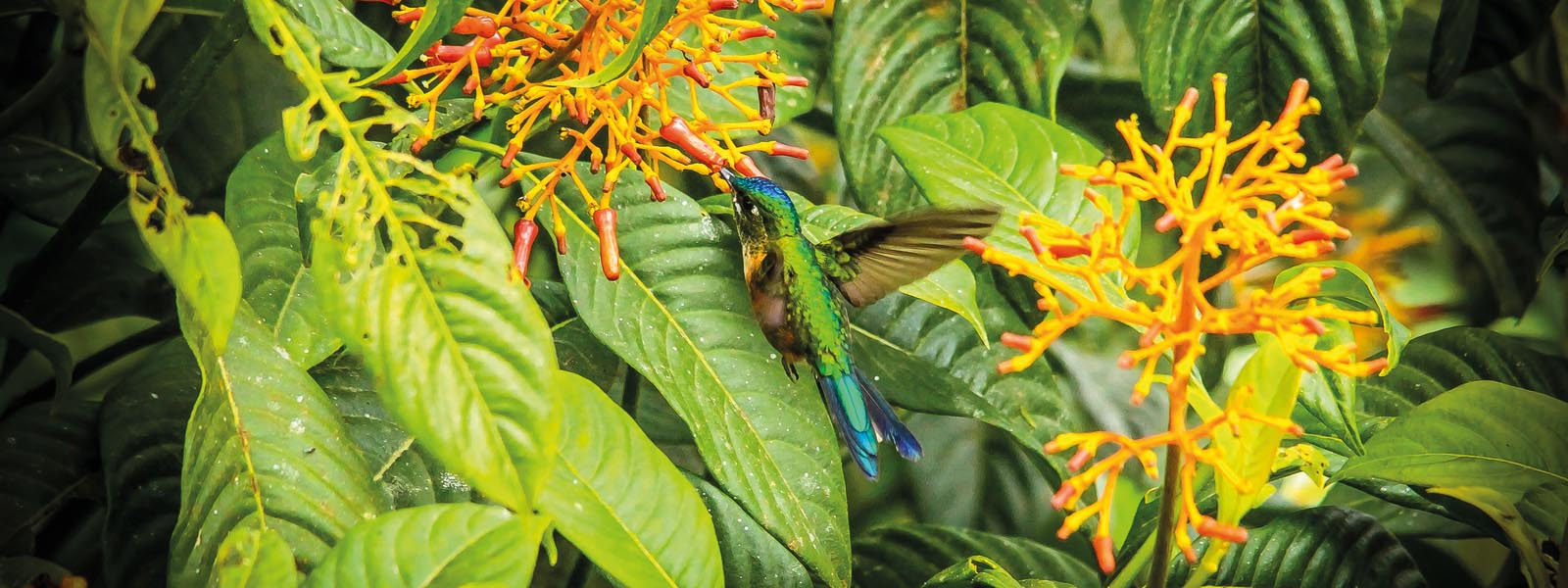
There is an optional overseas field trip in the third year. This will provide the opportunity to do research in a novel environment and to study local plants and animals. Destinations may vary, but have previously included the cloud forests of Ecuador, the Mankwe Wildlife Reserve in South Africa, and Molise in Italy.

Optional field trips may incur additional costs, including flights. Students may also be required to pay for overnight stays, local travel, and food close to the destination if their flights arrive the day before the team are scheduled to meet.

Students may bring personal items of clothing and travel equipment, some of which may be specialised for the environment they are travelling to, and recommended medicines and travel toiletries such as anti-malaria medication, vaccinations, insect repellent and sunscreen. These costs will depend on what you choose to bring.

Optional Placement Year

All full-time students on this course may take an optional placement year between the second and third year of the programme. While these placements are student-led, you will be continuously supported by academic staff throughout. Placements provide the opportunity to gain workplace experience and a chance to hone your skills in a professional environment. Biology students have previously undertaken industrial placements with global businesses including Thermo Fisher Scientific and Fortrea.

While you are on an optional placement in the UK, you will be required to cover your own transport, accommodation, and meals costs. A Placement Year Fee is payable to the University of Lincoln during this year for students joining in 2025/26 and beyond. Students are expected to cover their own travel, accommodation, and living costs.

Studying Biology at the University of Lincoln was a life changing opportunity, especially being able to conduct an overseas project in Ecuador. This course has given me the ability to explore numerous career possibilities in a friendly and forward-thinking university.

What Can I Do with a Biology Degree?

This course is designed to equip graduates with the skills necessary to enter a range of scientific and non-science-based roles in agriculture, biotechnology, animal sciences, and environmental protection. A wide range of career paths are available to biology graduates including research and development, technical roles, science communication and publishing, and scientific sales and marketing. Some students choose to continue their studies at postgraduate level.

Meet Our Alumni: Topaz Reid, Biology

Biology Alumni Topaz recently visited the University to talk to us about how her degree in Biology helped her career as a fundraising manager for The Elephant Family charity.

YouTube video for

Entry Requirements 2026-27

United Kingdom

104 to 112 UCAS Tariff points.

This must be achieved from a minimum of 2 A Levels or equivalent Level 3 qualifications, to include 40 points from Biology or Chemistry. For example:

A Level: BCC to BBC to include a Grade B in Biology or Chemistry

BTEC Extended Diploma - Applied Science accepted depending on modules: DMM

(Please include units on application)

T Level in Science: Merit Overall

(Health or Health Science not accepted)

Access to Higher Education Diploma: 104 to 112 UCAS points to be achieved from 45 Level 3 credits, including 40 points from 15 credits in Biology or Chemistry.

International Baccalaureate: 29 points overall to include a Higher Level in Biology or Chemistry.

GCSE's: Minimum of three at grade 4 or above, which must include English, Maths and Science. Equivalent Level 2 qualifications may be considered.

The University accepts a wide range of qualifications as the basis for entry and do accept a combination of qualifications which may include A Levels, BTECs, Extended Project Qualification (EPQ).

We may also consider applicants with extensive and relevant work experience and will give special individual consideration to those who do not meet the standard entry qualifications.

International

Non UK Qualifications:

If you have studied outside of the UK, and are unsure whether your qualification meets the above requirements, please visit our country pages

https://www.lincoln.ac.uk/studywithus/internationalstudents/entryrequirementsandyourcountry/ for information on equivalent qualifications.

EU and Overseas students will be required to demonstrate English language proficiency equivalent to IELTS 6.0 overall, with a minimum of 5.5 in each element. For information regarding other English language qualifications we accept, please visit the English Requirements page

https://www.lincoln.ac.uk/studywithus/internationalstudents/englishlanguagerequirementsandsupport/englishlanguagerequirements/

If you do not meet the above IELTS requirements, you may be able to take part in one of our Pre-sessional English and Academic Study Skills courses.

https://www.lincoln.ac.uk/studywithus/internationalstudents/englishlanguagerequirementsandsupport/pre-sessionalenglishandacademicstudyskills/


For applicants who do not meet our standard entry requirements, our Science Foundation Year can provide an alternative route of entry onto our full degree programmes:
https://www.lincoln.ac.uk/course/sfysfyub/lifesciences/

If you would like further information about entry requirements, or would like to discuss whether the qualifications you are currently studying are acceptable, please contact the Admissions team on 01522 886097, or email admissions@lincoln.ac.uk

Contextual Offers

At Lincoln, we recognise that not everybody has had the same advice and support to help them get to higher education. Contextual offers are one of the ways we remove the barriers to higher education, ensuring that we have fair access for all students regardless of background and personal experiences. For more information, including eligibility criteria, visit our Offer Guide pages. If you are applying to a course that has any subject specific requirements, these will still need to be achieved as part of the standard entry criteria.

Entry Requirements 2027-28

United Kingdom

104 to 112 UCAS Tariff points from a minimum of 2 A Levels or equivalent Level 3 qualifications, to include 40 points from Biology or Chemistry.

If you are eligible for a contextual offer, a one grade or 8 UCAS Tariff point reduction to the standard entry requirements will be applied. Subject specific requirements will still be required as part of the standard entry criteria.

A Level: BBC to include a Grade B in Biology or Chemistry

BTEC Extended Diploma in Applied Science depending on modules studied: DMM
(Please include units on application)

We will accept a Pearson Level 3 Alternative Academic Qualification BTEC National (equivalent to 1 A Level) in Medical Science or Applied Science to meet the subject specific requirement: Merit

T Level in Science: Merit Overall
(T Levels in Health or Health Science are not accepted)

Access to Higher Education Diploma: 112 UCAS points to be achieved from 45 Level 3 credits, including 40 points from 15 credits in Biology or Chemistry.

International Baccalaureate: 29 points overall to include a Higher Level in Biology or Chemistry.

GCSEs: Minimum of three at grade 4 or above, which must include English, Maths and Science. Equivalent Level 2 qualifications may be considered.


The University accepts a wide range of qualifications as the basis for entry and do accept a combination of qualifications which may include A Levels, BTECs, Extended Project Qualification (EPQ).

We may also consider applicants with extensive and relevant work experience and will give special individual consideration to those who do not meet the standard entry qualifications.

International

Non UK Qualifications:

If you have studied outside of the UK, and are unsure whether your qualification meets the above requirements, please visit our country pages

https://www.lincoln.ac.uk/studywithus/internationalstudents/entryrequirementsandyourcountry/ for information on equivalent qualifications.

EU and Overseas students will be required to demonstrate English language proficiency equivalent to IELTS 6.0 overall, with a minimum of 5.5 in each element. For information regarding other English language qualifications we accept, please visit the English Requirements page

https://www.lincoln.ac.uk/studywithus/internationalstudents/englishlanguagerequirementsandsupport/englishlanguagerequirements/

If you do not meet the above IELTS requirements, you may be able to take part in one of our Pre-sessional English and Academic Study Skills courses.

https://www.lincoln.ac.uk/studywithus/internationalstudents/englishlanguagerequirementsandsupport/pre-sessionalenglishandacademicstudyskills/


For applicants who do not meet our standard entry requirements, our Science Foundation Year can provide an alternative route of entry onto our full degree programmes:
https://www.lincoln.ac.uk/course/sfysfyub/lifesciences/

If you would like further information about entry requirements, or would like to discuss whether the qualifications you are currently studying are acceptable, please contact the Admissions team on 01522 886097, or email admissions@lincoln.ac.uk

Contextual Offers

At Lincoln, we recognise that not everybody has had the same advice and support to help them get to higher education. Contextual offers are one of the ways we remove the barriers to higher education, ensuring that we have fair access for all students regardless of background and personal experiences. For more information, including eligibility criteria, visit our Offer Guide pages. If you are applying to a course that has any subject specific requirements, these will still need to be achieved as part of the standard entry criteria.

Fees and Funding

University Study is a major investment, so it’s important to understand the costs and support available. A full breakdown of the fees associated with this programme can be found below. Eligible students may be able to access scholarships and bursaries to help with study costs.

Course Fees

Fees and Funding

University Study is a major investment, so it’s important to understand the costs and support available. A full breakdown of the fees associated with this programme can be found below. Eligible students may be able to access scholarships and bursaries to help with study costs.

Course Fees

Find out More by Visiting Us

The best way to find out what it is really like to live and learn at Lincoln is to visit us in person. We offer a range of opportunities across the year to help you to get a real feel for what it might be like to study here.

Three students walking together on campus in the sunshine

What You Need to Know

We want you to have all the information you need to make an informed decision on where and what you want to study. In addition to the information provided on this course page, our What You Need to Know page offers explanations on key topics including programme validation/revalidation, additional costs, and contact hours.

What You Need to Know

We want you to have all the information you need to make an informed decision on where and what you want to study. In addition to the information provided on this course page, our What You Need to Know page offers explanations on key topics including programme validation/revalidation, additional costs, and contact hours.

The University intends to provide its courses as outlined in these pages, although the University may make changes in accordance with the Student Admissions Terms and Conditions.