Skip to content

This programme is subject to receiving interim approval from the General Dental Council (GDC). Approval of the programme is necessary for graduates to be eligible to apply for registration with the GDC.

Course Overview

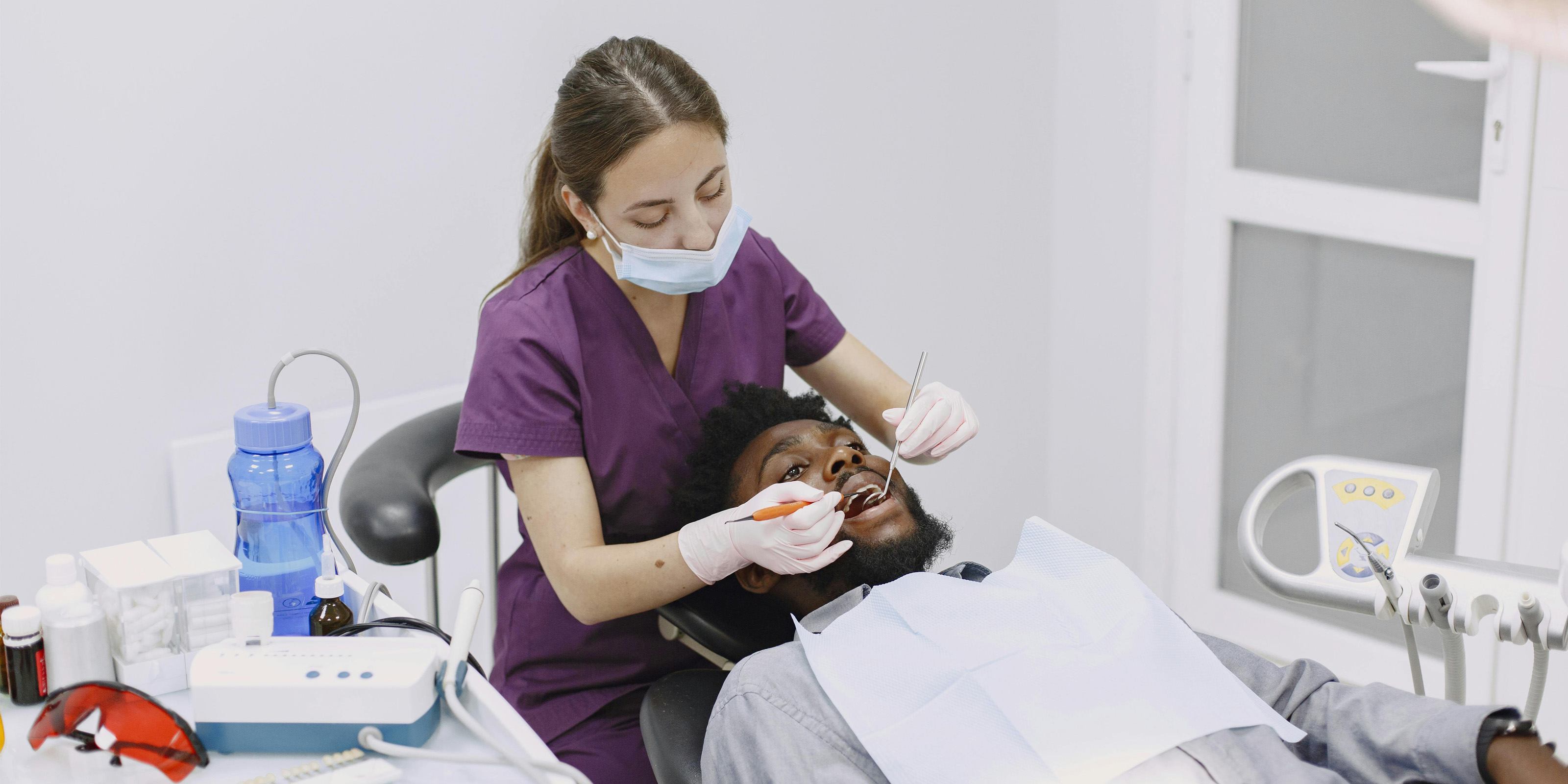
Our BSc (Hons) Dental Hygiene and Therapy degree is your route to a career that makes a difference to people's lives every day. This course is designed to help you become a highly skilled, confident, and compassionate dental professional eligible to register with the General Dental Council (GDC) as a Dental Therapist on graduating.

At Lincoln, the course combines simulation-based training, supervised clinical experience, and a strong public health focus. With a particular emphasis on rural and coastal communities, you'll explore how social and environmental factors shape oral health and how you can be part of the solution. This is a healthcare degree that leads directly to professional practice, with clear standards and strong employment prospects.

This programme will be available for application during Clearing. Clearing applications for the course are expected to open on A Level Result Day: 13 August 2026. Our Gateway Year also offers an alternative route into this degree, designed for students who do not meet standard entry requirements.

Why Study at Lincoln?

Professional route to practice aligned with General Dental Council requirements

Learn by doing through simulation training and supervised patient care

Strong public health focus addressing oral health inequalities

Early clinical development building confidence from year one

Supportive, small-group learning with close academic and clinical guidance

Clear career outcomes in a profession with sustained demand across the UK

A dental profession with a patient

What You’ll Learn 

You’ll develop the scientific knowledge, clinical competence, and professional judgement required of a safe and effective dental therapist.

Across the course, you’ll study areas including:

  • Oral and dental sciences
  • Preventative and therapeutic dental care
  • Communication and patient management
  • Professional practice and clinical decision-making
  • Public health and health promotion
  • The social and environmental factors affecting oral health

Learning is structured so that knowledge and skills are revisited and strengthened over time, helping you progress steadily from theory to confident clinical practice.

How You Study

This three-year degree uses a spiral curriculum, meaning you'll revisit key topics throughout your studies, each time building deeper knowledge, stronger clinical skills, and greater confidence.

Year 1: Building foundations

You'll develop core scientific knowledge alongside communication and professional skills. Training begins in advanced simulation environments, allowing you to practise safely before working with patients. Key safety assessments ensure you are fully prepared for clinical activity.

Year 2: Developing clinical confidence

You'll begin treating patients in supervised clinical settings, applying your learning in real-world contexts. Alongside this, you'll continue simulation training, small-group teaching, and professional portfolio development.

Year 3: Becoming practice-ready

Your final year focuses on expanding clinical experience, including more specialised care settings. You'll refine your skills, develop greater independence, and complete final clinical assessments aligned with professional practice. Teaching includes simulation-based learning, supervised clinics, small-group sessions, and guided independent study.

Modules

Module Overview

This module introduces the foundational principles that support safe and effective dental practice. You’ll build core knowledge across integrated biomedical sciences, including anatomy, histology, physiology, cell biology, neuroscience, microbiology, and pathology, with a focus on how these areas relate to oral health and disease. You’ll explore the causes of oral diseases, infection prevention and control, thesafe use of ionising radiation, and relevant statutory regulatory requirements.

Module Overview

This module explores the principles of community health and social care, with a focus on the wider determinants of health and their impact on both general and oral health outcomes. Students will examine how environmental, social, economic and demographic factors influence health behaviours, access to services and health inequalities within local populations. The module introduces the structure and function of community and social care systems, highlighting the roles and collaborative responsibilities of services in supporting population health, including the integration of oral health within wider care provision. Students will also develop foundational academic skills in evidence searching, critical appraisal and interpretation, while fostering an understanding of their professional role within the broader healthcare system.

Module Overview

This module prepares students for the safe delivery of introductory, patient-centred clinical skills within a simulated learning environment. Students will develop the fundamental competencies required for early-stage dental hygiene and dental therapy practice, focusing on clinical procedures, patient assessment, and record management. Through structured skills training and competency-based assessments, students will gain experience in areas such as clinical examination, non-surgical periodontal care, preventive treatments, restorative techniques, and infection prevention and control.

Module Overview

This module introduces the fundamental principles of professionalism within dental practice, focusing on expected behavioural standards, effective communication, and reflective practice. Students will explore their ethical and legal responsibilities while developing an awareness of the attributes required of safe and competent dental care professionals.

Through structured reflection and engagement with personal and professional development tools, students will evaluate their progress across the curriculum, identifying strengths and areas for growth. The module supports the early formation of professional identity and encourages a commitment to continuous improvement, quality enhancement, and high standards of patient-centred care.

Module Overview

This module develops students’ integrated understanding of the scientific, clinical, behavioural and professional principles underpinning oral and dental diseases. Building on prior learning within a spiral curriculum framework, students will revisit and extend core concepts with increasing complexity, autonomy and criticality as they progress.

Through a combination of lectures, clinical skills laboratories, and small group learning, students will apply their knowledge to the safe, effective and evidence-based management of patients within the scope of practice of a dental hygienist and dental therapist. Key areas include infection prevention and control, biomaterials, radiographic principles, communication, safeguarding and reflective practice. The module is aligned with regulatory expectations and supports the development of patient-centred, ethical and professional care.

Module Overview

This module develops students’ ability to locate, evaluate and apply evidence from a range of authoritative sources to understand health issues within populations. Emphasis is placed on evidence-based approaches and the critical appraisal of information to inform health improvement strategies. Students will explore how social, cultural and behavioural determinants influence how different population groups perceive, experience and respond to their health needs.

Through a community engagement project, students will work collaboratively with external organisations and in small teams to design and deliver a health improvement initiative for a specific population group. This applied experience supports the development of teamwork, communication and partnership-working skills, while fostering an understanding of health promotion beyond the clinical setting.

Module Overview

This module supports students in the transition from simulated learning to supervised clinical practice, enabling the safe, ethical and effective delivery of patient care within the scope of a dental hygienist and dental therapist. Building on prior knowledge and skills, students will consolidate and refine their clinical competencies in areas including patient assessment, diagnosis, treatment planning, preventive care, non-surgical periodontal therapy and restorative techniques.

Students will apply integrated scientific, behavioural and clinical knowledge to patient-centred care, with emphasis on communication, radiographic principles, and the management of medical risk and emergencies in both adult and paediatric patients. Through supervised clinical experience, the module fosters increasing confidence and autonomy, preparing students for progressive independent practice.

Module Overview

This module develops students’ ability to critically evaluate their personal and professional performance in relation to the standards, behaviours, and ethical and legal responsibilities of a dental hygienist and dental therapist. Students will engage with reflective models and structured feedback to enhance self-awareness, communication, professionalism and professional identity.

Through guided reflection and critical appraisal of their progress, students will identify strengths, areas for development and strategies for continuous improvement. The module supports the development of accountable, patient-centred and evidence-informed practice, aligned with the General Dental Council (GDC) Safe Practitioner Outcomes framework, preparing students for safe and effective professional practice.

Module Overview

This longitudinal module develops students’ integrated understanding of the scientific, clinical, behavioural and professional principles underpinning oral and dental diseases. Using a spiral curriculum approach, core concepts are revisited and extended with increasing complexity, autonomy and criticality as students progress through their studies.

Through a combination of lectures, skills laboratories, case-based learning and professional practice, students will apply their knowledge to the safe, effective and evidence-based management of patients within the scope of practice of a dental hygienist and dental therapist. Key areas include infection prevention and control, biomaterials, radiographic principles, communication, safeguarding and reflective practice. The module aligns with regulatory expectations and supports the development of patient-centred, ethical and collaborative professional practice.

Module Overview

This module prepares students for independent practice as dental hygienists and dental therapists. Students will develop and demonstrate competence in assessing, diagnosing and managing oral health across patients of all ages, using appropriate techniques and materials within their scope of practice.

Emphasis is placed on clinical reasoning, autonomous patient management, and safe, ethical care, alongside understanding referral pathways, direct access, and regulatory frameworks. The module aligns with General Dental Council (GDC) requirements and supports readiness for professional registration.

Module Overview

This capstone module enables students to critically appraise evidence and demonstrate professional accountability in preparation for independent practice. Integrating knowledge, skills and behaviours developed across the programme, students will apply evidence-based decision making to complex clinical and professional scenarios.

Through reflective practice and personal development planning, the module emphasises continuous improvement, ethical and legal awareness, and the delivery of safe, autonomous and patient-centred care.

Module Overview

This module develops students’ ability to work effectively within interprofessional teams and contribute to quality improvement in dental and wider healthcare settings. Students will critically evaluate healthcare systems, clinical governance frameworks, and patient safety principles to support safe, effective and patient-centred care.

Through the application of evidence-based strategies, quality improvement methods and reflective practice, students will design and implement approaches to enhance service delivery, patient outcomes and professional practice.


† Some courses may offer optional modules. The availability of optional modules may vary from year to year and will be subject to minimum student numbers being achieved. This means that the availability of specific optional modules cannot be guaranteed. Optional module selection may also be affected by staff availability.

What You Need to Know

We want you to have all the information you need to make an informed decision on where and what you want to study. In addition to the information provided on this course page, our What You Need to Know page offers explanations on key topics including programme validation/revalidation, additional costs, and contact hours.

How you are assessed

Assessment is designed to support progression and professional readiness.

You may be assessed through:

- Clinical and professional portfolios
- Practical and simulated clinical examinations
- Written assignments and presentations
- Multiple-choice tests

Regular feedback and staged assessment points help you build competence and confidence throughout the degree.

Careers and Future Opportunities 

This degree leads directly to professional practice. On successful completion, you’ll be eligible to apply for registration with the General Dental Council (GDC) as a Dental Therapist.*

Graduates may go on to work in:

  • NHS dental services
  • Private dental practices
  • Community and public health settings
  • Specialist dental clinics

Demand for qualified dental care professionals remains strong across Lincolnshire and nationally, supporting positive employment outcomes for graduates.

*Approval of the programme is necessary for graduates to be eligible to apply for registration with the GDC.

Support and Student Experience

From day one, you’ll be part of a supportive learning community. You’ll have access to:

  • A Personal Academic Tutor for academic guidance
  • Dedicated clinical supervisors supporting your practical development
  • Peer learning groups linked to clinical experience
  • University-wide wellbeing and academic support services.

This strong support network helps you stay confident, focused, and motivated throughout your degree.

Is This Course Right for You? 

This course could be a strong fit if you:

  • Want a healthcare degree with a clear route into professional practice
  • Enjoy practical, hands-on learning
  • Are interested in prevention, patient care, and public health
  • Want to make a measurable difference to people’s health and wellbeing

The course demands commitment and professionalism to best prepare you to enter clinical practice with confidence.

Entry Requirements 2026-27

Entry Requirements

A Level Offer: BBB to include a B in Biology

BTEC National Extended Diploma in Applied Science (other subjects may be considered depending on module profile): Distinction, Distinction, Merit

T Level in Science or Healthcare Science: Merit

Access to Higher Education in a science subject: 120 UCAS tariff points overall from 45 level 3 of credits, of which 15 level 3 credits must be in Biology or Human Biology at grade merit

GCSE Requirements: 5 GCSEs at grade C/4 or above, to include English Language, Mathematics and two Science subjects (Biology and Chemistry or Double Science)

Please note application assessment criteria may vary by country and we may close to applications from some domiciles. Please view the Your Country pages of our website before making an application.

Contextual Offers

At Lincoln, we recognise that not everybody has had the same advice and support to help them get to higher education. Contextual offers are one of the ways we remove the barriers to higher education, ensuring that we have fair access for all students regardless of background and personal experiences. For more information, including eligibility criteria, visit our Offer Guide pages. If you are applying to a course that has any subject specific requirements, these will still need to be achieved as part of the standard entry criteria.

Fees and Scholarships

Going to university is a life-changing step and it's important to understand the costs involved and the funding options available before you start. A full breakdown of the fees associated with this programme can be found below.

Course Fees
2026/27 UK International
Full-time £9,535 per level* £TBC

The full-time tuition fees displayed above are for each year (level) of the course.

†Please note that not all courses are available as a part-time option.

* UK: The University undergraduate tuition fee may increase year on year in line with government policy. This will enable us to continue to provide the best possible educational facilities and student experience.

** International: The fees quoted are for one year of study. For continuing students fees are subject to an increase of 2% each year and rounded to the nearest £100.

Fees for enrolment on additional modules

Tuition fees for additional activity are payable by the student/sponsor and charged at the equivalent £ per credit point rate for each module. Additional activity includes:

  • Enrolment on modules that are in addition to the validated programme curriculum
  • Enrolment on modules that are over and above the full credit diet for the relevant academic year
  • Retakes of modules as permitted by the Board of Examiners
  • In exceptional circumstances, students who are required to re-take modules can do so on an 'assessment only' basis. This means that students do not attend timetabled teaching events but are required to take the assessments/examinations associated with the module(s). The 'assessment only' fee is half of the £ per credit point fee for each module.

Exceptionally, tuition fees may not be payable where a student has been granted a retake with approved extenuating circumstances.

Strong Roots for Oral Health

Growing the future of dental education in Lincolnshire

Strong Roots

Lincolnshire faces some of the most significant challenges in England when it comes to access to NHS dental care. At the University of Lincoln, we are working with people and organisations from across the region to change that with a clear ambition: to establish a dental school in Lincolnshire.

The University intends to provide its courses as outlined in these pages, although the University may make changes in accordance with the Student Admissions Terms and Conditions.