Clearing offers from 56 UCAS tariff points. Subject-specific requirements still apply. See the entry requirements section for details.

Study animal health and disease in the real world

If you're fascinated by animal health, disease, nutrition, ecosystems, or how behaviour shapes the natural world, this course gives you the scientific knowledge and practical experience to turn that interest into a career.

The MBio Bioveterinary Science at University of Lincoln explores how animals live, adapt, communicate, evolve, and interact with their environments. You'll study topics including animal biology, behaviour, health and disease, and disease control, while developing hands-on laboratory, fieldwork, and research skills valued by employers across environmental, scientific, and animal-related industries.

What makes this course different is its balance of animal science, behavioural science, and applied experience. From field studies and practical lab work to data analysis and research projects, you'll learn to investigate real challenges facing wildlife, biodiversity, and animal health and welfare today. The MBio course also integrates master's level study in the final year to delve even deeper.

Whether you're aiming for a career in animal science, nutritional research, disease control, wildlife research, education, or postgraduate study, Lincoln helps you build both scientific expertise and career confidence.

If you're fascinated by animal health, disease, nutrition, ecosystems, or how behaviour shapes the natural world, this course gives you the scientific knowledge and practical experience to turn that interest into a career.

The MBio Bioveterinary Science at University of Lincoln explores how animals live, adapt, communicate, evolve, and interact with their environments. You'll study topics including animal biology, behaviour, health and disease, and disease control, while developing hands-on laboratory, fieldwork, and research skills valued by employers across environmental, scientific, and animal-related industries.

What makes this course different is its balance of animal science, behavioural science, and applied experience. From field studies and practical lab work to data analysis and research projects, you'll learn to investigate real challenges facing wildlife, biodiversity, and animal health and welfare today. The MBio course also integrates master's level study in the final year to delve even deeper.

Whether you're aiming for a career in animal science, nutritional research, disease control, wildlife research, education, or postgraduate study, Lincoln helps you build both scientific expertise and career confidence.

Why study Bioveterinary Science at Lincoln?

Learn beyond the classroom

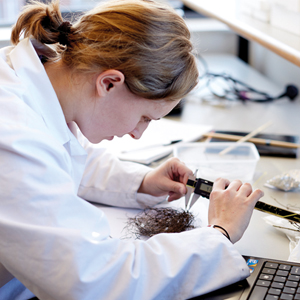
You’ll combine lectures with practical laboratory sessions, fieldwork opportunities, behavioural observation, and independent research — helping you apply theory to real biological questions.

Study animal health and welfare alongside behaviour

While many courses focus broadly on biology, Lincoln’s course gives additional emphasis to behaviour, helping you understand how animals interact, survive, communicate, and respond to environmental change.

Build career-ready scientific skills

Employers increasingly look for graduates who can analyse data, conduct research, communicate findings, and solve environmental problems. You’ll develop transferable skills used across scientific, environmental, and animal sectors.

Explore global environmental challenges

Topics such as biodiversity loss, conservation, climate change, habitat management, and animal welfare are embedded throughout the course, helping you understand the wider impact of animal science.

Learn in a supportive scientific community

You’ll be taught by academic staff with expertise across animal health and disease, animal behaviour, conservation, and biological sciences, while benefiting from personalised academic support throughout your degree.

Prepare for multiple career pathways

The course supports progression into:

  • Animal health and disease management
  • Wildlife conservation
  • Veterinary nutrition research
  • Environmental consultancy
  • Animal welfare and management
  • Science communication
  • Teaching and education
  • Postgraduate study including MSc and PhD routes

What you'll learn

This course is designed to help you understand animals from biological, physiological, and behavioural perspectives, while developing the practical and analytical skills needed for scientific careers.

You may explore areas such as:

  • Animal anatomy and physiology
  • Animal health and disease
  • Veterinary disease control and vaccinology
  • Animal behaviour and communication
  • Molecular biology and immunology
  • Conservation biology
  • Wildlife management
  • Research methods and scientific investigation

You’ll also learn how to:

  • Design and conduct scientific studies
  • Collect and analyse biological data
  • Use laboratory and fieldwork techniques
  • Interpret scientific evidence
  • Present research clearly and professionally

As you progress through the degree, learning becomes increasingly applied and independent, culminating in a major research project where you can investigate a topic that matches your interests and career goals.

This combination of scientific knowledge and practical experience helps graduates stand out in both specialist animal science careers and wider graduate employment markets.

Modules

Module Overview

Animal Management will cover the contributions of animal scientists, welfare bodies, legislators, producers and consumers to the housing and management of captive animals. There will be a focus on the animal’s biological requirements in captivity and the application of good husbandry practice to farm, laboratory, zoo and companion animals of a wide range of taxonomic groups.

Module Overview

Comparative Anatomy and Physiology of Animals is concerned with the principles of the diversity of anatomical form and function in animals using a comparative approach. Anatomical adaptations will be explored across taxa within the animal kingdom in order to show how different types of organisms use their anatomy to solve the similar physiological problems. Through this, an understanding will be developed of how organisms from different taxa address physiological aspects of their life histories.

Module Overview

Health and Disease provides an introduction to health and how health is disrupted by disease and disorder. Students will apply their knowledge of anatomy and physiology to help understand the underlying aetiology and clinical presentation of key communicable and non-communicable diseases.

Module Overview

Introduction to the Life Sciences is designed to provide a foundation for students to develop their knowledge and understanding of fundamental cell biology, biochemistry and genetics in the context of life sciences.

Module Overview

Research methods for the Life Sciences aims to introduce the skills and knowledge necessary for students to assimilate and judge scientific knowledge. Students will be introduced to the tools required to search and evaluate the scientific literature relevant to their studies, and some of the key philosophical constructs around which scientific knowledge is based. They will be taught about hypothesis testing, experimental design, data collection, basic mathematical and statistical concepts, and data presentation, and gain hands-on experience of their application.

Module Overview

This module covers some aspects about animal health and disease. In particular, diseases of a wide variety of different animals, and the impacts which they pose to the animals, and humans. This will also include some levels of disease treatments, and control, and discuss different methods of these. Functional animal nutrition of various species to prevent disease and maintain optimal health, as well as how diseases can affect behaviour will also be included.

Module Overview

Data-centric skills are crucial for any life scientist undertaking any form of data collection, management, visualisation, and/or analysis. This module introduces students to skills in data storage, handling, and manipulation; understanding different data types; visualising data; fitting statistical and analytical models; interpreting and reporting statistical and analytical results; and using these skills in experimental designs. In the age of information, computational skills are becoming ever more relevant, and this module will hone different computational skills. All these skills can aid students in undertaking future research projects, including the third-year honours project.

Module Overview

This module is concerned with the study of the mechanisms by which drugs interact with biochemical, cellular and physiological systems. The module aims to (1) Give an introduction to the key principles of pharmacology; (2) Provide a detailed knowledge of the mechanisms of actions of selected drug; (3) Develop a critical appreciation of the importance and relevance of pharmacology in the treatment of diseases; and (4) Understand the principles of toxicology and drug overdose.

Module Overview

This module provides an overview of the cellular and molecular basis of the immune response in both health and disease. This module will discuss the structure, function and complex mechanisms of host defence by B- and T-Cells and how our immune system are educated to recognise self vs non-self. We will also evaluate the role of inflammatory mediators, soluble effectors and cellular cytotoxicity in inflammation and immunity and appreciate techniques used to screen for these. The module will then finish by discussing how these system impact upon transplantation, autoimmunity, allergy and immunodeficiency and development of new therapies.

Module Overview

Molecular biology is of critical importance when understanding biological systems. This module is designed to provide students with an insight into the techniques used and applied by molecular biologists in a number of specific contexts. The module will explore the origins of molecular life on Earth, before examining the molecular control of eukaryotic replication, transcription and translation. The focus will then move to in vitro experimentation including DNA isolation, amplification, sequencing and manipulation; before looking at applications of molecular biology and how they can be applied to our understanding in areas such as population genetics and health and disease.

Module Overview

This module will focus on understanding both how and why animals behave the way they do. It will consider key concepts within both domestic and wild animal behaviour, drawn from a wide variety of taxonomic groups, and appraise how an animal’s behaviour is influenced by its ecology and evolution, how it links to its underlying cognitive processes, and how it impacts on its welfare and conservation. There will be a particular emphasis on the practical investigation of animal behaviour.

Module Overview

This module explores the regulation and enforcement of animal protection including the background and need for legislation relating to animals, the scientific, political and legal procedures involved in forming legislation and how citizens may become involved in that process. Students develop critical analytical skills through the interpretation and application of legal frameworks as well as the evaluation of the research background underpinning the law. Students also learn to develop and present arguments used in decisions regarding animal protection

Module Overview

The module provides an overview of the main principles of clinical biochemistry and its role in diagnostics and monitoring of patients. It enables students to discuss endocrine disease as well as liver, respiratory, gastrointestinal, vascular, bone and renal disease. It will also cover key techniques used in diagnosis and clinical research.

Module Overview

The School believes that an option to study overseas is a valuable educational opportunity for our students. Provision of this option supports the educational aims of the School of Life Sciences and enhances the distinctiveness of its degrees at Lincoln. The optional year is intended to:

- enable students to benefit from studying within a cross cultural environment

- expose students to a wider academic and cultural experience

- enhance their future employment opportunities

- by increasing their cultural and professional mobility.

This module is optional for students within the School. Study Abroad is a year long module which enables students to spend a year studying abroad at one of the University's approved partner institutions. Eligible students must have completed their second year of study to a satisfactory standard and successfully completed the application process for the year abroad.

During the year spent abroad, students share classes with local students and study on a suite of locally-delivered taught modules which have been approved in advance by the University. Upon their return, as part of the assessment for this module, students are required to critically reflect upon their experience of living and studying in a different cultural environment and the skills acquired.

Module Overview

The module provides an understanding of the control of infectious disease in companion and animals, livestock species and wildlife. The module will explore practical control measures for diseases of animals, building explicitly on the knowledge and understanding gained in L2 Animal Health and Disease and L2 Immunology.

Module Overview

In this module, students undertake an independent programme of research under supervision from a member of staff. It provides students with an opportunity to demonstrate original and critical thought, as well as to build discipline-specific research and project-management skills. We currently offer projects in the laboratory (wet or animal) or field, projects that involve data analysis, literature research, educational research, science communication research, and market research. Students may work individually or in groups addressing similar questions, but must write up individually. The findings of the research will be written up and presented orally. The conduct and performance of the student as a research apprentice will be assessed.

Module Overview

Our understanding of human disease is constantly evolving and this increased knowledge is presenting new opportunities to better therapeutically target and treat these diseases. As such, this module will focus on investigating the latest cutting-edge treatments being used by the NHS now and into the future to treat disease, discuss the ethics associated with bringing these into practice, evaluate the successfulness and limitation of these approaches and where future development is needed to fully realise their potential.

Module Overview

This module explores the scientific study of animal cognition and welfare, with particular attention focused on experimental design, methodological considerations and interpretation. It will cover the objective assessment of animal cognition and welfare with research examples from both wild and captive animals.

Module Overview

The module provides an overview of the applications of genetics and the ethical and social considerations relating to determination and use of genetic information, as well as an introduction to ethical philosophy. This module also intends to discuss genetic counselling, diagnosis of genetic disease, carrier detection and pre-symptomatic testing. The module enables students to evaluate population screening, and community genetics for single gene and chromosome disorders and also the ethical and social considerations of the understanding of the human genome, the treatment of genetic diseases, gene therapy and the ethics of experimental animal use.

Module Overview

The module provides an overview of the role of cellular pathology in the diagnosis and monitoring of malignant and non-malignant diseases. This module intends to evaluate the normal and abnormal histology and ultra-structural features of human cells and tissues. The module enables students to appraise malignant and non-malignant cytology, and critically evaluate the role of multiple research and diagnostic techniques; for examples structural analysis by electron microscopy and immunocytochemistry in pathological differential diagnosis. The module will enable students to understand and critically evaluate different methodologies of cancer treatment, how cancer drug resistance evolves and investigation of the role of personalised medicine for optimum patient treatment/outcomes.

Module Overview

This module will build on the knowledge and understanding of microbiology or animal disease gained previously at L2. The module aims to develop students’ understanding of the One Health approach to human and veterinary diseases, including protecting animal and human populations from infectious agents recently introduced through cross species transmission.

Module Overview

This module provides students with the opportunity to investigate biological phenomena in the field at an overseas location. Students work in groups, guided by staff, to develop and test hypotheses allowing them to understand more about biological processes operating within the study area. They are encouraged to view the ecosystem within the wider context of the anthropogenic impacts being imposed on it.

Module Overview

Palaeobiology tackles some of the most challenging and engaging topics of modern biology, including the emergence of biodiversity, patterns of recovery and expansion of ecosystems and species in the aftermath of profound crises (such as mass extinctions), and the interplay between originations and extinctions in shaping the Tree of Life. The module will enable students to comprehend the thrust and scope of fossil-based research, progressing from basic observations to formulation of complex macro-evolutionary inference. Palaeobiology is eminently interdisciplinary, absorbing concepts and methodologies from numerous other fields and providing tools and knowledge of wide use to other biologists, particularly those interested in tempo and mode of evolution and the comparative method.

Module Overview

The impact of parasites to the health, welfare and productivity of animals remains one of the most important issues in veterinary biology. An understanding of the biology and epidemiology of parasites and the association they have with their hosts is vital in protecting and improving animal’s health and welfare. This module aims to provide a theoretical background for understanding the specialised features that parasites have developed to adapt to their host and transmit between hosts, the diseases which result and advances in treatment and prevention of infection. Students will also learn analytical laboratory methods for the identification of different types of ecto- and endoparasites. Case studies will be used to illustrate how the current advances in research are applied to understand and inform the epidemiology, control and prevention of parasite mediated disease in animals and monitor emergent diseases globally and within the UK.

Module Overview

This module comprises a research project for the MBio suite of programmes. The project is supervised by a member of the Life Sciences academic staff and provides the opportunity to contribute to high-impact research across a variety of research areas.

The projects are set within one of the School's research groups and can be enhanced by research workshops and transferable skills offered in the accompanying modules. Projects present the opportunity of work towards generating a scientific article of publishable quality.

Module Overview

This module centres on workshops in research techniques which are delivered by supervisors of research projects. Workshops will be delivered approximately fortnightly throughout Semesters A and B. The workshops are split into three broad research areas: Animal Behaviour, Cognition and Welfare; Biomedical (including general Biochemical and Cellular), and Evolution and Ecology. Workshops combine demonstrations with hands-on work in-lab or in-field. Students are offered a choice of workshops from an extensive list of options, and the write up of eight of these will form the basis of assessment.

Module Overview

The module focuses on the development of transferable skills that are applicable both professionally and to research projects, within the programme of study and beyond. The skills will be relevant to the broad life and environmental sciences and will allow students to strengthen their proficiency primarily in these areas: scientific writing and communication skills, research data analysis and presentation, professional and career skills.


† Some courses may offer optional modules. The availability of optional modules may vary from year to year and will be subject to minimum student numbers being achieved. This means that the availability of specific optional modules cannot be guaranteed. Optional module selection may also be affected by staff availability.

Modules

Module Overview

Animal Management will cover the contributions of animal scientists, welfare bodies, legislators, producers and consumers to the housing and management of captive animals. There will be a focus on the animal’s biological requirements in captivity and the application of good husbandry practice to farm, laboratory, zoo and companion animals of a wide range of taxonomic groups.

Module Overview

Comparative Anatomy and Physiology of Animals is concerned with the principles of the diversity of anatomical form and function in animals using a comparative approach. Anatomical adaptations will be explored across taxa within the animal kingdom in order to show how different types of organisms use their anatomy to solve the similar physiological problems. Through this, an understanding will be developed of how organisms from different taxa address physiological aspects of their life histories.

Module Overview

Health and Disease provides an introduction to health and how health is disrupted by disease and disorder. Students will apply their knowledge of anatomy and physiology to help understand the underlying aetiology and clinical presentation of key communicable and non-communicable diseases.

Module Overview

Introduction to the Life Sciences is designed to provide a foundation for students to develop their knowledge and understanding of fundamental cell biology, biochemistry and genetics in the context of life sciences.

Module Overview

Research methods for the Life Sciences aims to introduce the skills and knowledge necessary for students to assimilate and judge scientific knowledge. Students will be introduced to the tools required to search and evaluate the scientific literature relevant to their studies, and some of the key philosophical constructs around which scientific knowledge is based. They will be taught about hypothesis testing, experimental design, data collection, basic mathematical and statistical concepts, and data presentation, and gain hands-on experience of their application.

Module Overview

This module covers some aspects about animal health and disease. In particular, diseases of a wide variety of different animals, and the impacts which they pose to the animals, and humans. This will also include some levels of disease treatments, and control, and discuss different methods of these. Functional animal nutrition of various species to prevent disease and maintain optimal health, as well as how diseases can affect behaviour will also be included.

Module Overview

Data-centric skills are crucial for any life scientist undertaking any form of data collection, management, visualisation, and/or analysis. This module introduces students to skills in data storage, handling, and manipulation; understanding different data types; visualising data; fitting statistical and analytical models; interpreting and reporting statistical and analytical results; and using these skills in experimental designs. In the age of information, computational skills are becoming ever more relevant, and this module will hone different computational skills. All these skills can aid students in undertaking future research projects, including the third-year honours project.

Module Overview

This module is concerned with the study of the mechanisms by which drugs interact with biochemical, cellular and physiological systems. The module aims to (1) Give an introduction to the key principles of pharmacology; (2) Provide a detailed knowledge of the mechanisms of actions of selected drug; (3) Develop a critical appreciation of the importance and relevance of pharmacology in the treatment of diseases; and (4) Understand the principles of toxicology and drug overdose.

Module Overview

This module provides an overview of the cellular and molecular basis of the immune response in both health and disease. This module will discuss the structure, function and complex mechanisms of host defence by B- and T-Cells and how our immune system are educated to recognise self vs non-self. We will also evaluate the role of inflammatory mediators, soluble effectors and cellular cytotoxicity in inflammation and immunity and appreciate techniques used to screen for these. The module will then finish by discussing how these system impact upon transplantation, autoimmunity, allergy and immunodeficiency and development of new therapies.

Module Overview

Molecular biology is of critical importance when understanding biological systems. This module is designed to provide students with an insight into the techniques used and applied by molecular biologists in a number of specific contexts. The module will explore the origins of molecular life on Earth, before examining the molecular control of eukaryotic replication, transcription and translation. The focus will then move to in vitro experimentation including DNA isolation, amplification, sequencing and manipulation; before looking at applications of molecular biology and how they can be applied to our understanding in areas such as population genetics and health and disease.

Module Overview

This module will focus on understanding both how and why animals behave the way they do. It will consider key concepts within both domestic and wild animal behaviour, drawn from a wide variety of taxonomic groups, and appraise how an animal’s behaviour is influenced by its ecology and evolution, how it links to its underlying cognitive processes, and how it impacts on its welfare and conservation. There will be a particular emphasis on the practical investigation of animal behaviour.

Module Overview

This module explores the regulation and enforcement of animal protection including the background and need for legislation relating to animals, the scientific, political and legal procedures involved in forming legislation and how citizens may become involved in that process. Students develop critical analytical skills through the interpretation and application of legal frameworks as well as the evaluation of the research background underpinning the law. Students also learn to develop and present arguments used in decisions regarding animal protection

Module Overview

The module provides an overview of the main principles of clinical biochemistry and its role in diagnostics and monitoring of patients. It enables students to discuss endocrine disease as well as liver, respiratory, gastrointestinal, vascular, bone and renal disease. It will also cover key techniques used in diagnosis and clinical research.

Module Overview

The School believes that an option to study overseas is a valuable educational opportunity for our students. Provision of this option supports the educational aims of the School of Life Sciences and enhances the distinctiveness of its degrees at Lincoln. The optional year is intended to:

- enable students to benefit from studying within a cross cultural environment;

- expose students to a wider academic and cultural experience;

- enhance their future employment opportunities;

- by increasing their cultural and professional mobility.

This module is optional for students within the School. Study Abroad is a year long module which enables students to spend a year studying abroad at one of the University's approved partner institutions. Eligible students must have completed their second year of study to a satisfactory standard and successfully completed the application process for the year abroad.

During the year spent abroad, students share classes with local students and study on a suite of locally-delivered taught modules which have been approved in advance by the University. Upon their return, as part of the assessment for this module, students are required to critically reflect upon their experience of living and studying in a different cultural environment and the skills acquired.

Module Overview

The module provides an understanding of the control of infectious disease in companion and animals, livestock species and wildlife. The module will explore practical control measures for diseases of animals, building explicitly on the knowledge and understanding gained in L2 Animal Health and Disease and L2 Immunology.

Module Overview

In this module, students undertake an independent programme of research under supervision from a member of staff. It provides students with an opportunity to demonstrate original and critical thought, as well as to build discipline-specific research and project-management skills. We currently offer projects in the laboratory (wet or animal) or field, projects that involve data analysis, literature research, educational research, science communication research, and market research. Students may work individually or in groups addressing similar questions, but must write up individually. The findings of the research will be written up and presented orally. The conduct and performance of the student as a research apprentice will be assessed.

Module Overview

Our understanding of human disease is constantly evolving and this increased knowledge is presenting new opportunities to better therapeutically target and treat these diseases. As such, this module will focus on investigating the latest cutting-edge treatments being used by the NHS now and into the future to treat disease, discuss the ethics associated with bringing these into practice, evaluate the successfulness and limitation of these approaches and where future development is needed to fully realise their potential.

Module Overview

This module explores the scientific study of animal cognition and welfare, with particular attention focused on experimental design, methodological considerations and interpretation. It will cover the objective assessment of animal cognition and welfare with research examples from both wild and captive animals.

Module Overview

The module provides an overview of the applications of genetics and the ethical and social considerations relating to determination and use of genetic information, as well as an introduction to ethical philosophy. This module also intends to discuss genetic counselling, diagnosis of genetic disease, carrier detection and pre-symptomatic testing. The module enables students to evaluate population screening, and community genetics for single gene and chromosome disorders and also the ethical and social considerations of the understanding of the human genome, the treatment of genetic diseases, gene therapy and the ethics of experimental animal use.

Module Overview

The module provides an overview of the role of cellular pathology in the diagnosis and monitoring of malignant and non-malignant diseases. This module intends to evaluate the normal and abnormal histology and ultra-structural features of human cells and tissues. The module enables students to appraise malignant and non-malignant cytology, and critically evaluate the role of multiple research and diagnostic techniques; for examples structural analysis by electron microscopy and immunocytochemistry in pathological differential diagnosis. The module will enable students to understand and critically evaluate different methodologies of cancer treatment, how cancer drug resistance evolves and investigation of the role of personalised medicine for optimum patient treatment/outcomes.

Module Overview

This module will build on the knowledge and understanding of microbiology or animal disease gained previously at L2. The module aims to develop students’ understanding of the One Health approach to human and veterinary diseases, including protecting animal and human populations from infectious agents recently introduced through cross species transmission.

Module Overview

This module provides students with the opportunity to investigate biological phenomena in the field at an overseas location. Students work in groups, guided by staff, to develop and test hypotheses allowing them to understand more about biological processes operating within the study area. They are encouraged to view the ecosystem within the wider context of the anthropogenic impacts being imposed on it.

Module Overview

Palaeobiology tackles some of the most challenging and engaging topics of modern biology, including the emergence of biodiversity, patterns of recovery and expansion of ecosystems and species in the aftermath of profound crises (such as mass extinctions), and the interplay between originations and extinctions in shaping the Tree of Life. The module will enable students to comprehend the thrust and scope of fossil-based research, progressing from basic observations to formulation of complex macro-evolutionary inference. Palaeobiology is eminently interdisciplinary, absorbing concepts and methodologies from numerous other fields and providing tools and knowledge of wide use to other biologists, particularly those interested in tempo and mode of evolution and the comparative method.

Module Overview

The impact of parasites to the health, welfare and productivity of animals remains one of the most important issues in veterinary biology. An understanding of the biology and epidemiology of parasites and the association they have with their hosts is vital in protecting and improving animal’s health and welfare. This module aims to provide a theoretical background for understanding the specialised features that parasites have developed to adapt to their host and transmit between hosts, the diseases which result and advances in treatment and prevention of infection. Students will also learn analytical laboratory methods for the identification of different types of ecto- and endoparasites. Case studies will be used to illustrate how the current advances in research are applied to understand and inform the epidemiology, control and prevention of parasite mediated disease in animals and monitor emergent diseases globally and within the UK.

Module Overview

This module comprises a research project for the MBio suite of programmes. The project is supervised by a member of the Life Sciences academic staff and provides the opportunity to contribute to high-impact research across a variety of research areas.

The projects are set within one of the School's research groups and can be enhanced by research workshops and transferable skills offered in the accompanying modules. Projects present the opportunity of work towards generating a scientific article of publishable quality.

Module Overview

This module centres on workshops in research techniques which are delivered by supervisors of research projects. Workshops will be delivered approximately fortnightly throughout Semesters A and B. The workshops are split into three broad research areas: Animal Behaviour, Cognition and Welfare; Biomedical (including general Biochemical and Cellular), and Evolution and Ecology. Workshops combine demonstrations with hands-on work in-lab or in-field. Students are offered a choice of workshops from an extensive list of options, and the write up of eight of these will form the basis of assessment.

Module Overview

The module focuses on the development of transferable skills that are applicable both professionally and to research projects, within the programme of study and beyond. The skills will be relevant to the broad life and environmental sciences and will allow students to strengthen their proficiency primarily in these areas: scientific writing and communication skills, research data analysis and presentation, professional and career skills.


† Some courses may offer optional modules. The availability of optional modules may vary from year to year and will be subject to minimum student numbers being achieved. This means that the availability of specific optional modules cannot be guaranteed. Optional module selection may also be affected by staff availability.

Support and student experience

Starting university can feel like a big step, especially if you’re still deciding exactly where your future career will take you. Lincoln provides support both academically and personally throughout your degree.

Academic support

Students can benefit from:

  • Personal tutors
  • Research and study skills guidance
  • Feedback throughout modules
  • Access to academic resources and learning support

Practical learning support

Scientific fieldwork, laboratory sessions, and research training are designed to help students gradually build confidence and independence throughout the course.

Student wellbeing

Lincoln provides wellbeing and student support services designed to help students manage university life, academic pressure, and personal wellbeing.

Community and belonging

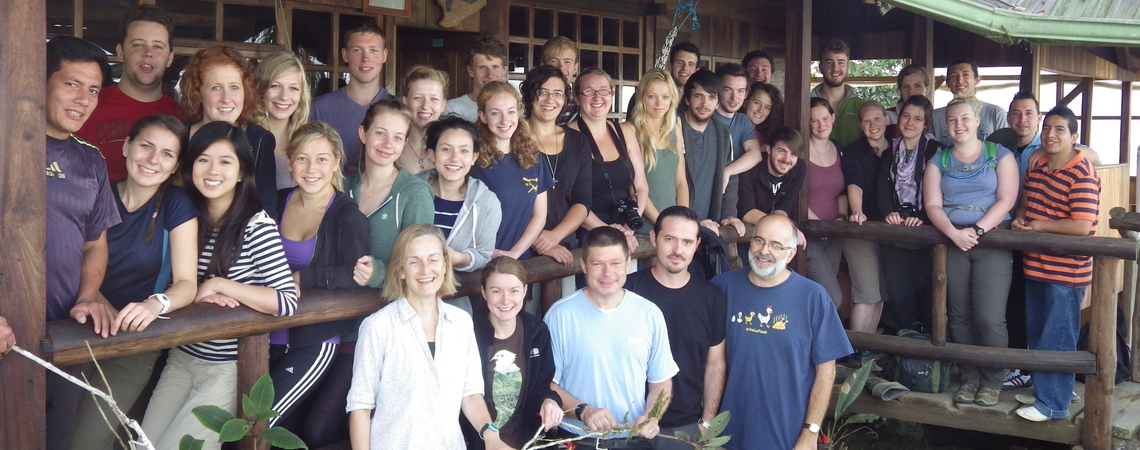
Biological sciences students become part of a wider scientific community where collaboration, practical learning, and shared interests help create a supportive student experience.

Experiences

We work closely with the farm on our Riseholme Campus, and students in the past have been able to assist with lambing. There may also be opportunities to gain experiences working with reptiles in Minster House, our on-campus animal facility.

Placements

Gain hands-on experience in a real workplace and apply your learned skills in a professional setting.

  • Develop practical skills and professional confidence
  • Build your CV before you graduate
  • Explore career options in a real workplace
  • Pay a placement year fee
  • You’ll need to cover travel and living costs

Careers and future opportunities

What can you do with a Bioveterinary Science degree?

Graduates can pursue careers across animal, environmental, scientific, and conservation sectors. Possible roles include:

  • Wildlife conservation officer
  • Veterinary disease diagnostics
  • Environmental consultant
  • Animal behaviour researcher
  • Zoo or wildlife park education officer
  • Conservation scientist
  • Field research assistant
  • Animal welfare advisor
  • Science communicator
  • Laboratory technician

Some graduates also continue into:

  • Master’s degrees and PhDs
  • Teacher training
  • Veterinary-related progression routes such as veterinary physiotherapy
  • Specialist conservation or ecological training

Career-ready transferable skills

Beyond animal science-specific knowledge, you’ll graduate with skills valued by many employers, including:

  • Scientific research and reporting
  • Data analysis and interpretation
  • Problem-solving
  • Teamworking and communication
  • Project management
  • Critical thinking

These transferable skills can open opportunities across wider industries including environmental management, public sector organisations, sustainability, education, and scientific services.

A growing sector with global relevance

As biodiversity, sustainability, conservation, and environmental protection become increasingly important worldwide, graduates with strong understanding of animal health and its one health implications are needed across research, policy, education, and environmental industries.

Lincoln’s emphasis on practical science and behavioural understanding helps prepare you for these evolving career areas.

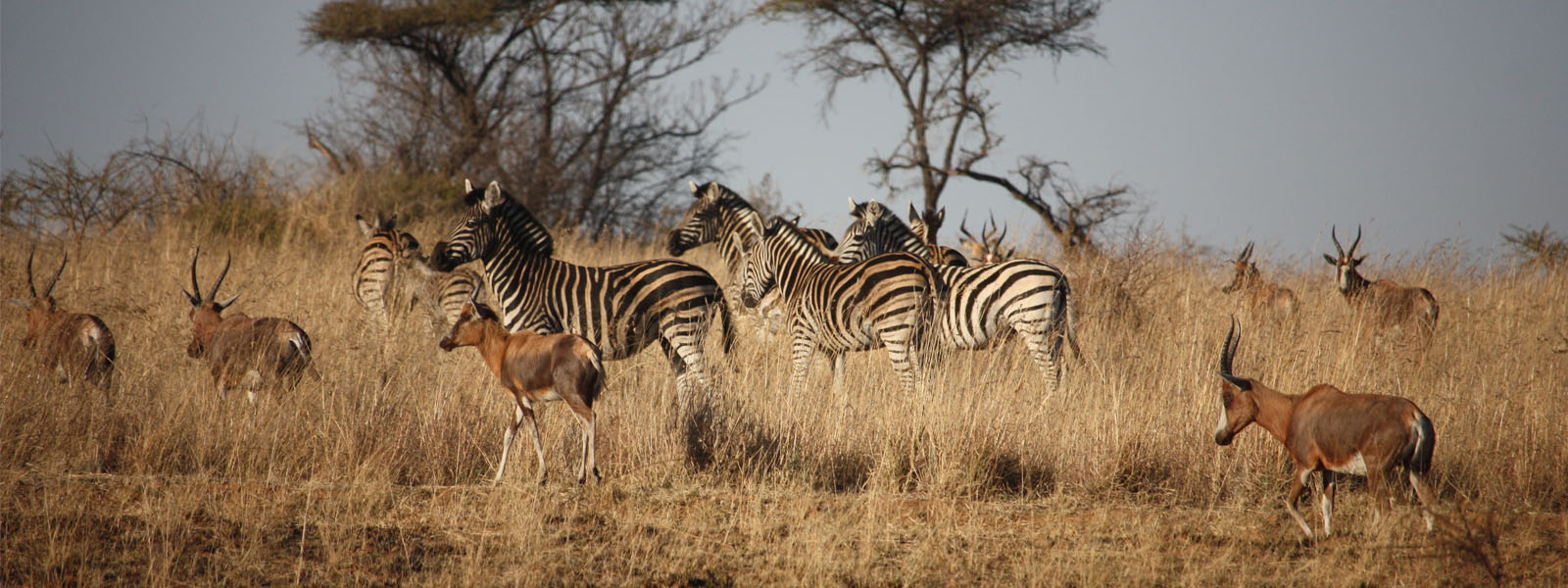
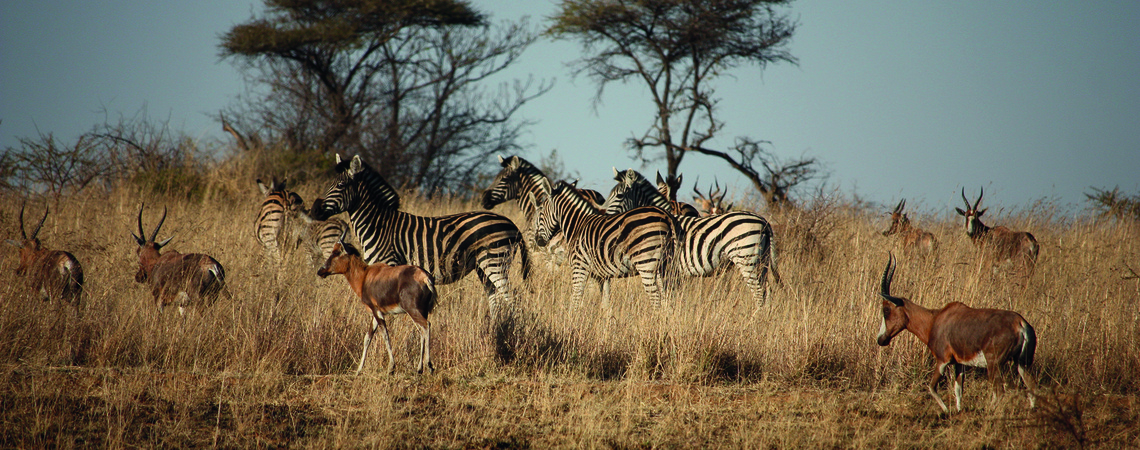
The absolute highlight of my time at university was the chance to take the overseas field course module. I opted to go to South Africa, which was a once-in-a-lifetime opportunity.

International Study

Options to participate in international field trips, study overseas at a partner university, and experience a new culture.

  • Build confidence, independence, and intercultural experience
  • You’ll pay the relevant study abroad fee to the University of Lincoln, with no tuition fees paid to the host university
  • You’ll need to cover travel and living costs
  • Funding support may be available

Is this course right for you?

This course could be a strong fit if you:

  • Are interested in animals, wildlife, behaviour, or conservation
  • Enjoy biology and scientific investigation
  • Want a degree with practical scientific skills
  • Care about animal health and welfare challenges
  • Are considering careers involving wildlife, research, sustainability, or animal science
  • Want flexibility to explore different career options after graduation

You do not need to have your entire career planned before starting. This degree is designed to help you discover which areas of animal sciences, conservation, and animal behaviour interest you most while building skills that remain valuable across multiple industries.

Entry Requirements 2026-27

United Kingdom

112 to 120 UCAS Tariff points.

This must be achieved from a minimum of 2 A Levels or equivalent Level 3 qualifications, to include 40 points from Biology or Chemistry. For example:

A Level: BBC to BBB to include a Grade B in Biology or Chemistry

BTEC Extended Diploma in Animal Management accepted. Applied Science accepted depending on modules: DDM

(Please include units on application)

T Level in Science: Merit Overall

(Health or Health Science not accepted)

Access to Higher Education Diploma: 112 to 120 UCAS points to be achieved from 45 Level 3 credits, including 40 points from 15 credits in Biology or Chemistry.

International Baccalaureate: 30 points overall to include a Higher Level in Biology.

GCSE's: Minimum of three at grade 4 or above, which must include English, Maths and Science. Equivalent Level 2 qualifications may be considered.

The University accepts a wide range of qualifications as the basis for entry and do accept a combination of qualifications which may include A Levels, BTECs, Extended Project Qualification (EPQ).

We may also consider applicants with extensive and relevant work experience and will give special individual consideration to those who do not meet the standard entry qualifications.

International

Non UK Qualifications:

If you have studied outside of the UK, and are unsure whether your qualification meets the above requirements, please visit our country pages

https://www.lincoln.ac.uk/studywithus/internationalstudents/entryrequirementsandyourcountry/ for information on equivalent qualifications.

EU and Overseas students will be required to demonstrate English language proficiency equivalent to IELTS 6.0 overall, with a minimum of 5.5 in each element. For information regarding other English language qualifications we accept, please visit the English Requirements page

https://www.lincoln.ac.uk/studywithus/internationalstudents/englishlanguagerequirementsandsupport/englishlanguagerequirements/

If you do not meet the above IELTS requirements, you may be able to take part in one of our Pre-sessional English and Academic Study Skills courses.

https://www.lincoln.ac.uk/studywithus/internationalstudents/englishlanguagerequirementsandsupport/pre-sessionalenglishandacademicstudyskills/


For applicants who do not meet our standard entry requirements, our Science Foundation Year can provide an alternative route of entry onto our full degree programmes:
https://www.lincoln.ac.uk/course/sfysfyub/lifesciences/

If you would like further information about entry requirements, or would like to discuss whether the qualifications you are currently studying are acceptable, please contact the Admissions team on 01522 886097, or email admissions@lincoln.ac.uk

Contextual Offers

At Lincoln, we recognise that not everybody has had the same advice and support to help them get to higher education. Contextual offers are one of the ways we remove the barriers to higher education, ensuring that we have fair access for all students regardless of background and personal experiences. For more information, including eligibility criteria, visit our Offer Guide pages. If you are applying to a course that has any subject specific requirements, these will still need to be achieved as part of the standard entry criteria.

Entry Requirements 2027-28

United Kingdom

112 to 120 UCAS Tariff points from a minimum of 2 A Levels or equivalent Level 3 qualifications, to include 40 points from Biology or Psychology.

If you are eligible for a contextual offer, a one grade or 8 UCAS Tariff point reduction to the standard entry requirements will be applied. Subject specific requirements will still be required as part of the standard entry criteria.

A Level: BBB to include a Grade B in Biology or Chemistry

BTEC Extended Diploma in Animal Management : DDM
BTED Extended Diploma in Applied Science considered depending on units studied. Please include these on your application.

We will accept a Pearson Level 3 Alternative Academic Qualification BTEC National (equivalent to 1 A Level) in Medical Science or Applied Science to meet the subject specific requirement: Merit

T Level in Science: Merit Overall
(T Levels in Health or Health Science are not accepted)

Access to Higher Education Diploma: 120 UCAS points to be achieved from 45 Level 3 credits, including 40 points from 15 credits in Biology or Chemistry.

International Baccalaureate: 30 points overall to include a Higher Level in Biology.

GCSEs: Minimum of three at grade 4 or above, which must include English, Maths and Science. Equivalent Level 2 qualifications may be considered.


The University accepts a wide range of qualifications as the basis for entry and do accept a combination of qualifications which may include A Levels, BTECs, Extended Project Qualification (EPQ).

We may also consider applicants with extensive and relevant work experience and will give special individual consideration to those who do not meet the standard entry qualifications.

International

Non UK Qualifications:

If you have studied outside of the UK, and are unsure whether your qualification meets the above requirements, please visit our country pages.

https://www.lincoln.ac.uk/studywithus/internationalstudents/entryrequirementsandyourcountry/ for information on equivalent qualifications.

EU and Overseas students will be required to demonstrate English language proficiency equivalent to IELTS 6.0 overall, with a minimum of 5.5 in each element. For information regarding other English language qualifications we accept, please visit the English Requirements page

https://www.lincoln.ac.uk/studywithus/internationalstudents/englishlanguagerequirementsandsupport/englishlanguagerequirements/

If you do not meet the above IELTS requirements, you may be able to take part in one of our Pre-sessional English and Academic Study Skills courses.

https://www.lincoln.ac.uk/studywithus/internationalstudents/englishlanguagerequirementsandsupport/pre-sessionalenglishandacademicstudyskills/


For applicants who do not meet our standard entry requirements, our Science Foundation Year can provide an alternative route of entry onto our full degree programmes:
https://www.lincoln.ac.uk/course/sfysfyub/lifesciences/

If you would like further information about entry requirements, or would like to discuss whether the qualifications you are currently studying are acceptable, please contact the Admissions team on 01522 886097, or email admissions@lincoln.ac.uk

Contextual Offers

At Lincoln, we recognise that not everybody has had the same advice and support to help them get to higher education. Contextual offers are one of the ways we remove the barriers to higher education, ensuring that we have fair access for all students regardless of background and personal experiences. For more information, including eligibility criteria, visit our Offer Guide pages. If you are applying to a course that has any subject specific requirements, these will still need to be achieved as part of the standard entry criteria.

Fees and Funding

University Study is a major investment, so it’s important to understand the costs and support available. A full breakdown of the fees associated with this programme can be found below. Eligible students may be able to access scholarships and bursaries to help with study costs.

Course Fees

Fees and Funding

University Study is a major investment, so it’s important to understand the costs and support available. A full breakdown of the fees associated with this programme can be found below. Eligible students may be able to access scholarships and bursaries to help with study costs.

Course Fees

Find out More by Visiting Us

The best way to find out what it is really like to live and learn at Lincoln is to visit us in person. We offer a range of opportunities across the year to help you to get a real feel for what it might be like to study here.

Three students walking together on campus in the sunshine

What You Need to Know

We want you to have all the information you need to make an informed decision on where and what you want to study. In addition to the information provided on this course page, our What You Need to Know page offers explanations on key topics including programme validation/revalidation, additional costs, and contact hours.

What You Need to Know

We want you to have all the information you need to make an informed decision on where and what you want to study. In addition to the information provided on this course page, our What You Need to Know page offers explanations on key topics including programme validation/revalidation, additional costs, and contact hours.

The University intends to provide its courses as outlined in these pages, although the University may make changes in accordance with the Student Admissions Terms and Conditions.