print background

MSc International Tourism

MSc 1 year full-time, 2 years part-time Lincoln Business School Lincoln University standard entry requirements

Introduction

This MSc offers graduates an international focus to all tourism-related modules of study. We have a number of links with tourism enterprises and the programme prepares students for a variety of careers in the industry.

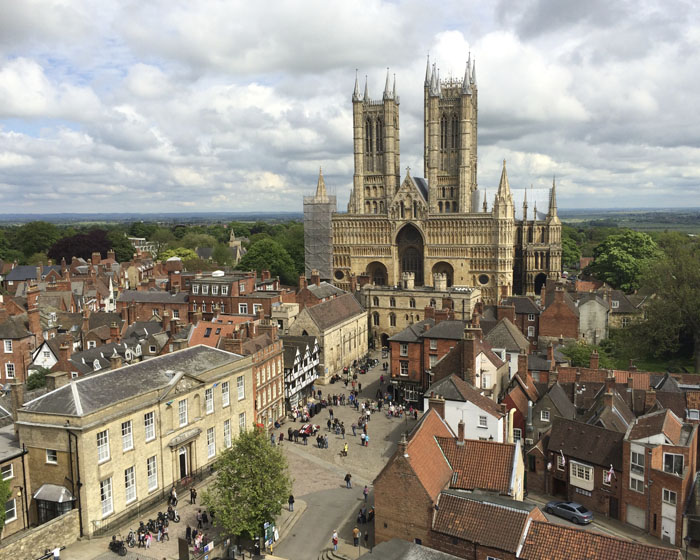
Tourism-related activities account for an increasing share of the GDP of most countries today, which means increasing demand for tourism specialists with advanced skills, able to set agendas and direct policies towards a sustainable future for the tourism sector. The UK is the fifth largest receiver of international tourists in the world, as well as possessing a large domestic tourism infrastructure. This, together with the City of Lincoln’s advancement as an historic, world-class tourist destination, makes the University of Lincoln an ideal setting in which to develop sophisticated tourism research knowledge and skills.

Collapse All Expand All

Aims

expand

The MSc in International Tourism aims to provide students with an opportunity at an advanced level to explore issues relating to a wide range of situations and problems likely to be faced by tourism professionals. Themes such as sustainability run throughout the programme, which is strongly based on cutting-edge research and management activity undertaken by academics, visiting academics and industry managers, as well as best practice as identified in current literature.

Content

expand

Level 1
(PG Certificate)
60 credit points

Sustainable Development for Tourism

The Tourist as Consumer

The Study of Tourism

Managing Tourism Enterprises

Level 2
(PG Diplma)
60 credit points

The Making and Management of Tourist Destinations

The Visitor Experience at Cultural and Heritage Attractions

Advanced Research Methods for Tourism and Hospitality

Airports for Tourism

Level 3 
(Masters)
60 credit points


Dissertation in a subject related to International Tourism

Teaching & Assessment

expand

The course is taught by members of the Tourism subject group at the University of Lincoln. All are highly-qualified and research active, with strong connections to tourism-related organisations.

We provide a diverse range of learning and assessment situations that develop appropriate knowledge, intellectual and practical skills. We promote opportunities for all to acquire and demonstrate transferable, interpersonal and problem-solving skills. These skills not only equip you for a career but also enable you to become a life-long learner, able to adapt both to changing employment patterns and changing trends in tourism.

Facilities

expand

The Library and Learning Resources Centre carries an extensive range of tourism-related resources, well capable of supporting study at an advanced level. In addition, our new Faculty Building possesses state-of-the-art facilities for postgraduate study.

Links With Industry

expand

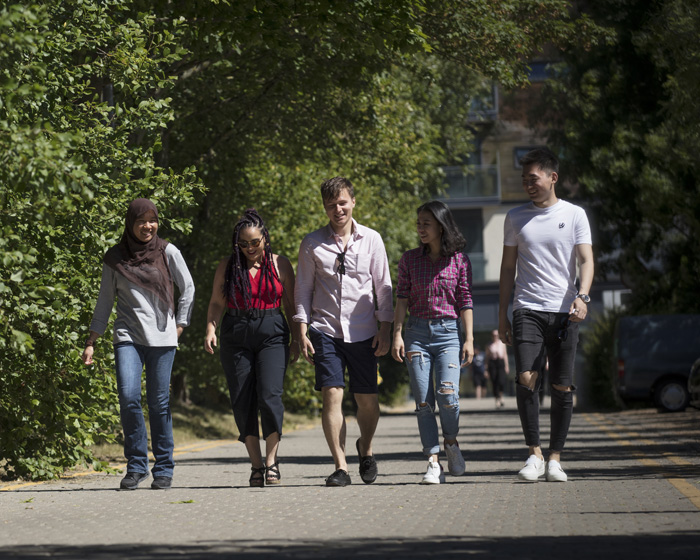
Our students come from a number of countries - from the UK to mainland Europe and beyond, and are encouraged to share knowledge from these widely differing backgrounds. We also take students on a number of day visits to sites of relevance in and around Lincoln, as well as undertake an overnight field visit to the Peak District, exploring destination management issues in one of the most heavily-visited areas in Britain. Masters students are encouraged, too, to participate in our regular Tourism Studies Seminar, along with our PhD students and academic colleagues.

Careers

expand

Graduates from this programme have found employment at senior levels in a wide variety of organisations, most of them tourism related.

Fees

expand
2012 Entry UK/EUInternational
Full-time £5,490 £10963
Part-time £TBC £61 per credit point
Placement (optional) N/A N/A
Assessment Only £TBC £31
2013 Entry    
Full-time £6,799  

For further information about fees, scholarships and bursaries please see our Fees & Funding pages.

Fees and Funding

Contact

expand

Contact the Programme Leader, Dr Heather Hughes, at hhughes@lincoln.ac.uk.