print background

Graduate Diploma Conservation Studies

Graduate Diploma 1 year full-time, 2 years part-time Lincoln School of Art and Design Lincoln An honours degree or equivalent in any subject

Introduction

If you have a passion for historic material and a desire to develop practical skills as well as build your knowledge and critical thinking, this programme could be your route into conservation and a career in the heritage industry.

The Graduate Diploma is an intensive one-year conversion course for graduates from a non- conservation background. It enables you to progress on to the Masters in Conservation. Alternatively, it will provide a platform from which you can pursue a career in the heritage industry. Lincoln now has the largest centre in the UK for teaching conservation and restoration skills with more than 25 years’ experience. The unit has strong links with local, regional and national museums, professional bodies and agencies in the heritage field. Our international links enhance students’ opportunities for placement and study abroad.

Career Opportunities

This programme is distinctive in that it provides students from non-conservation backgrounds with the skills, knowledge and understanding required to undertake the study of conservation at Masters level. For others, it is a foundation for further training or work in fields allied to conservation.

Collapse All Expand All

Modules

expand

Conservation Theory

You are introduced to the principles and process that govern the deterioration of materials and the treatments available to conserve them. You will also study the terminology, approaches and ethical codes involved in conservation.

Understanding Historic Objects

This module combines an introduction to materials science and concepts taken from art history and study of material culture and relates them to the understanding and analysis of historic objects.

Conservation Skills

You are taught a wide range of basic skills used in practical conservation. You will be taken through a series of structured practical exercises investigating such skills as cleaning, using adhesives, gap filling and packing fragile objects. You are also introduced to drawing and photography.

Conservation Practical

This is your first introduction to the treatment of historic objects. You will be taken through the processes of recording, decision-making and treatments working on a range of objects from museums and historic houses. 

Key Features

expand
  • Unique programme offering a gateway into conservation and the heritage industry for graduates, or equivalent, from any background
  • Conserving objects of historic and cultural importance from museums, historic houses and ecclesiastical sources
  • Fully supported study skills workshops for all students
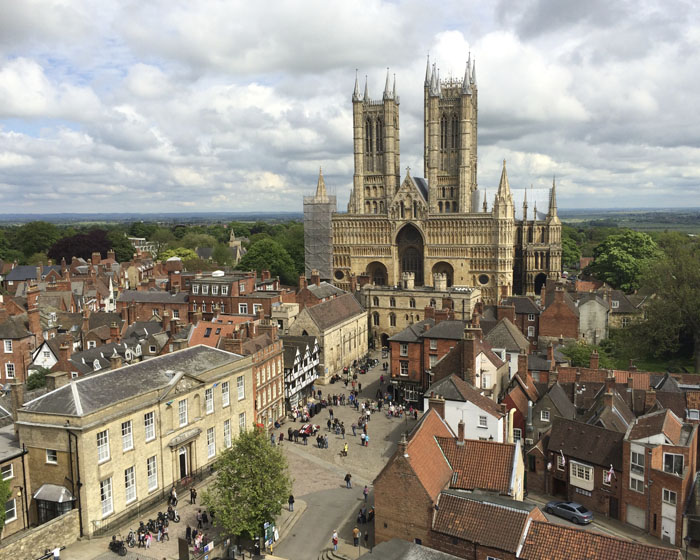
  • Working in purpose designed, well equipped, light and airy workshops in beautiful historic surroundings in the Cathedral Quarter
  • Students have worked on placements in museums in the UK and abroad including: National Museum of Scotland, National Museums and Galleries Merseyside, Lincoln Cathedral, National Trust
  • Successful completion of the Graduate Diploma guarantees entry into the MA Conservation of Historic Objects
  • Platform for study in other fields within the Heritage Sector.

Student Comments

expand

"So much to learn. It is a happy atmosphere and a brilliant place to work. As a mature student with a background in art teaching I was worried about learning science and the technical aspects. The teaching is of the highest standard and the staff are really approachable. Science was broken down into easily understandable bite-sized amounts with logical progression. I can now clearly link the work of the ancient craftsman to a analytical scientific approach. I will be following up the course by carrying on my work in the conservation of churches."

"Slightly scary at first but the tutors make learning easy. Getting your hands on historic objects from the start was a big responsibility, but it made it real. So different from my job in catering!"

External Funding

expand

Bursaries and help with funding may be available from a wide variety of sources including:

  • Anna Plowden Trust
  • NADFAS
  • York Conservation Consortium.

Please use contact below for details.

Contact Details

expand

Dr Rachel Faulding 
Telephone: +44 (0)1522 837437
aadenquiries@lincoln.ac.uk