Creating Brighter Futures
Through our research, we are striving to change society for the better. Working across sectors and disciplines and alongside regional, national, and international partners, our academics are engaged in groundbreaking studies that are challenging the status quo and making a tangible difference to the world around us.
To fulfil the ambitions of our Strategic Plan 2022-27, we need to continue on this positive trajectory, establishing greater scale and quality and ensuring that our research continues to address local and global priorities, focusing on our key strengths and framing our research and collaborations in a way that helps to support the United Nations Sustainable Development Goals.
Our Research Institutes and Centres
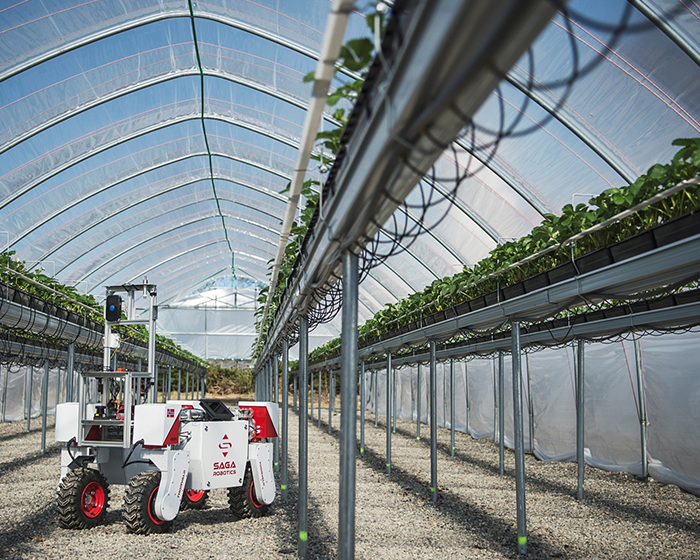
Whether improving productivity in the food supply chain, developing technological advancements for agriculture, or addressing place-based health inequalities across the rural-urban divide, our research institutes and centres are home to pioneering new studies which bring together expertise from across the University and beyond to produce research that is changing the world.
Forging Strong Industry Links
Collaboration is at the heart of the University’s strategy. At Lincoln, we are recognised as setting a blueprint for excellence in our pioneering approach to working with industry. Our unique relationships with companies such as Siemens Energy, Santander, and the Lincolnshire Co-op demonstrate our innovative industry-engaged approach, which has been acknowledged through a series of national awards.
We are continuing to develop these partnerships across our core research strengths and areas of expertise, responding to the needs of both business and society in order to address current commercial challenges and tackle some of the world's most pressing problems.

/prod01/university-of-lincoln-cdn-pxl/media/responsive2017/research/newresearch/Research,Banner8,edit2,1600X600.jpg )